Ghigo Roli photographer


Bologna: the Civic Archaeological Museum

Bologna: the Civic Archaeological Museum

21790_9333.jpg
Civic Archaeological Museum of Bologna:  suppedaneum and pair of foot models with shoe remains.From the necropolis of via Belle Arti, tomba 142.Inv. SABAP 283131, 283138, 283142

Civic Archaeological Museum of Bologna: suppedaneum and pai...

21790_9325.jpg
Civic Archaeological Museum of Bologna: wooden table with circular top, suppedaneum and pair of foot models with shoe remains.From the necropolis of via Belle Arti, tomba 142.Inv. SABAP 283130, 283131, 283138, 283142

Civic Archaeological Museum of Bologna: wooden table with ci...

21790_9311.jpg
Civic Archaeological Museum of Bologna: wooden table with circular top; from the necropolis of via Belle Arti, tomb 142.Inv. SABAP 283129

Civic Archaeological Museum of Bologna: wooden table with ci...

21790_9289.jpg
Civic Archaeological Museum of Bologna: wooden table with wooden plate and hazelnuts; from the necropolis of via Belle Arti, tomb 142.Inv. SABAP 283129

Civic Archaeological Museum of Bologna: wooden table with wo...

21790_9287.jpg
Civic Archaeological Museum of Bologna: wooden table with wooden plate and hazelnuts; from the necropolis of via Belle Arti, tomb 142.Inv. SABAP 283129

Civic Archaeological Museum of Bologna: wooden table with wo...

21790_9277.jpg
Civic Archaeological Museum of Bologna: medal cabinet of Benedict XIV (to the right of the window).Detail with papal insignia.

Civic Archaeological Museum of Bologna: medal cabinet of Ben...

21790_9275-2.jpg
Civic Archaeological Museum of Bologna: medal cabinet of Benedict XIV (to the right of the window).

Civic Archaeological Museum of Bologna: medal cabinet of Ben...

21790_9269.jpg
Civic Archaeological Museum of Bologna: medal cabinet of Benedict XIV (to the left of the window).

Civic Archaeological Museum of Bologna: medal cabinet of Ben...

21790_9261.jpg
Museo Civico Archeologico di Bologna,collezione romana: tavoletta con lucerne fittili.

Museo Civico Archeologico di Bologna,collezione romana: tavo...

21790_9258.jpg
Museo Civico Archeologico di Bologna,collezione romana: tavoletta con lucerne fittili.

Museo Civico Archeologico di Bologna,collezione romana: tavo...

21790_9256.jpg
Civic Archaeological Museum of Bologna, Roman collection: tablet with earthenware lamps.

Civic Archaeological Museum of Bologna, Roman collection: ta...

21790_9251.jpg
Civic Archaeological Museum of Bologna: model of a nuraghe, made of cork.

Civic Archaeological Museum of Bologna: model of a nuraghe,...

21790_9249.jpg
Civic Archaeological Museum of Bologna: model of a nuraghe, made of cork.

Civic Archaeological Museum of Bologna: model of a nuraghe,...

21790_9246.jpg
Civic Archaeological Museum of Bologna: model of a nuraghe, made of cork.

Civic Archaeological Museum of Bologna: model of a nuraghe,...

21790_9237.jpg
Civic Archaeological Museum of Bologna: millstones and weights from the hill of Hissarlik (Troy) and donated by Heinrich Schliemann.

Civic Archaeological Museum of Bologna: millstones and weigh...

21790_9234.jpg
Civic Archaeological Museum of Bologna: millstones and weights from the hill of Hissarlik (Troy) and donated by Heinrich Schliemann.

Civic Archaeological Museum of Bologna: millstones and weigh...

21790_9232.jpg
Civic Archaeological Museum of Bologna: millstones and weights from the hill of Hissarlik (Troy) and donated by Heinrich Schliemann.

Civic Archaeological Museum of Bologna: millstones and weigh...

21790_9224.jpg
Civic Archaeological Museum of Bologna: millstones and weights from the hill of Hissarlik (Troy) and donated by Heinrich Schliemann.

Civic Archaeological Museum of Bologna: millstones and weigh...

21790_9222_B.jpg
Civic Archaeological Museum of Bologna: Bog ring in jadeite.Inv. 435

Civic Archaeological Museum of Bologna: Bog ring in jadeite....

21790_9222.jpg
Civic Archaeological Museum of Bologna: Bog ring in jadeite.Inv. 435

Civic Archaeological Museum of Bologna: Bog ring in jadeite....

21790_9220.jpg
Civic Archaeological Museum of Bologna, the atrium:  the man wearing a toga of Maccaretolo (25 b.C. inv 19062).

Civic Archaeological Museum of Bologna, the atrium: the man...

21790_9216.jpg
Civic Archaeological Museum of Bologna: view of the atrium of the museum and  the man wearing a toga of Maccaretolo.

Civic Archaeological Museum of Bologna: view of the atrium o...

21790_9208.jpg
Civic Archaeological Museum of Bologna: view of the atrium of the museum and  the man wearing a toga of Maccaretolo.

Civic Archaeological Museum of Bologna: view of the atrium o...

21790_9206.jpg
Civic Archaeological Museum of Bologna, the atrium: on the left, the bust of Nero; on the right, the Sphinx (from a funerary monument in Borgo Panigale; first half of the 1st century AD).

Civic Archaeological Museum of Bologna, the atrium: on the l...

21790_9198-201.jpg
Civic Archaeological Museum of Bologna: view of the atrium of the museum and  the bust of Nero.

Civic Archaeological Museum of Bologna: view of the atrium o...

21790_9181-9189_rett.jpg
Civic Archaeological Museum of Bologna: view of the atrium of the museum and  the stele of the Cornelii and, on the left, the bust of Nero.

Civic Archaeological Museum of Bologna: view of the atrium o...

21790_9181-9189_cil.jpg
Civic Archaeological Museum of Bologna: view of the atrium of the museum and  the stele of the Cornelii and, on the left, the bust of Nero.

Civic Archaeological Museum of Bologna: view of the atrium o...

21790_9159.jpg
Civic Archaeological Museum of Bologna: view of the atrium of the museum and the sarcophagus of Beleius.

Civic Archaeological Museum of Bologna: view of the atrium o...

21790_9156.jpg
Civic Archaeological Museum of Bologna: view of the atrium of the museum and the sarcophagus of Beleius.

Civic Archaeological Museum of Bologna: view of the atrium o...

21790_9154.jpg
Civic Archaeological Museum of Bologna: the sarcophagus of Beleius.

Civic Archaeological Museum of Bologna: the sarcophagus of B...

21790_9152.jpg
Civic Archaeological Museum of Bologna, the courtyard: Cast of the commemorative plaque of the Roman baths, original from Palazzo Albergati, via Saragozza, Bologna.

Civic Archaeological Museum of Bologna, the courtyard: Cast...

21790_9149.jpg
Civic Archaeological Museum of Bologna, the courtyard: detail of the earthenware frieze.

Civic Archaeological Museum of Bologna, the courtyard: detai...

21790_9139-148_C.jpg
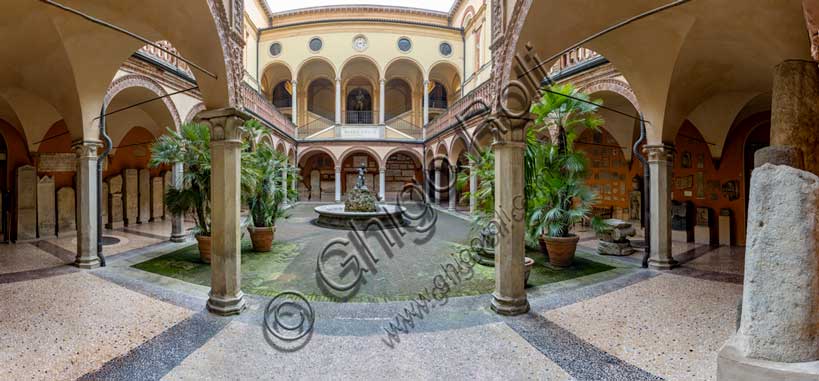
Civic Archaeological Museum of Bologna: the museum courtyard.

Civic Archaeological Museum of Bologna: the museum courtyard...

21790_9139-148_B.jpg
Civic Archaeological Museum of Bologna: the museum courtyard.

Civic Archaeological Museum of Bologna: the museum courtyard...

21790_9139-148_A.jpg
Civic Archaeological Museum of Bologna: the museum courtyard.

Civic Archaeological Museum of Bologna: the museum courtyard...

21790_9131-138_cilindrica.jpg
Civic Archaeological Museum of Bologna: the museum courtyard.

Civic Archaeological Museum of Bologna: the museum courtyard...

21790_7958.jpg
Civic Archaeological Museum of Bologna: reception e bookshop of the museum.

Civic Archaeological Museum of Bologna: reception e bookshop...

21790_7954.jpg
Civic Archaeological Museum of Bologna: reception e bookshop of the museum.

Civic Archaeological Museum of Bologna: reception e bookshop...

21790_7952.jpg
Civic Archaeological Museum of Bologna: reception e bookshop of the museum.

Civic Archaeological Museum of Bologna: reception e bookshop...

21790_7951.jpg
Civic Archaeological Museum of Bologna: reception e bookshop of the museum.

Civic Archaeological Museum of Bologna: reception e bookshop...

21790_7950.jpg
Civic Archaeological Museum of Bologna: reception e bookshop of the museum.

Civic Archaeological Museum of Bologna: reception e bookshop...

21790_7947.jpg
Civic Archaeological Museum of Bologna: reception e bookshop of the museum.

Civic Archaeological Museum of Bologna: reception e bookshop...

21790_7944.jpg
Civic Archaeological Museum of Bologna: bust of Luigi Ferdinando Marsili, scientist, geologist and botanist.

Civic Archaeological Museum of Bologna: bust of Luigi Ferdin...

21790_7941.jpg
Civic Archaeological Museum of Bologna: bust of Luigi Ferdinando Marsili, scientist, geologist and botanist.

Civic Archaeological Museum of Bologna: bust of Luigi Ferdin...

21790_7940.jpg
Civic Archaeological Museum of Bologna, the glass courtyard: view of the display of Nino Migliori's jewels and marble tables (Mario Cucinella design).

Civic Archaeological Museum of Bologna, the glass courtyard:...

21790_7934.jpg
Civic Archaeological Museum of Bologna, the glass courtyard: view of the display of Nino Migliori's jewels and marble tables (Mario Cucinella design).

Civic Archaeological Museum of Bologna, the glass courtyard:...

21790_7931.jpg
Civic Archaeological Museum of Bologna, the glass courtyard: view of the display of Nino Migliori's jewels and marble tables (Mario Cucinella design).

Civic Archaeological Museum of Bologna, the glass courtyard:...

21790_7929.jpg
Civic Archaeological Museum of Bologna, the glass courtyard: view of the display of Nino Migliori's jewels and marble tables (Mario Cucinella design).

Civic Archaeological Museum of Bologna, the glass courtyard:...

21790_7926.jpg
Civic Archaeological Museum of Bologna: Plaster copy of Giambologna's Neptune.

Civic Archaeological Museum of Bologna: Plaster copy of Giam...

21790_7914.jpg
Civic Archaeological Museum of Bologna: view of the courtyard wing with gravestones from the Rhine Wall.

Civic Archaeological Museum of Bologna: view of the courtyar...

21790_7907.jpg
Civic Archaeological Museum of Bologna: three milestones.

Civic Archaeological Museum of Bologna: three milestones.

21790_7902.jpg
Civic Archaeological Museum of Bologna, courtyard, arch 7.D: tombstone of the Augustan servants Graptus and Pistus.

Civic Archaeological Museum of Bologna, courtyard, arch 7.D:...

21790_7900.jpg
Civic Archaeological Museum of Bologna: courtyard, arch 7.D with wellhead and gravestones.

Civic Archaeological Museum of Bologna: courtyard, arch 7.D...

21790_7898.jpg
Civic Archaeological Museum of Bologna: courtyard, arch 7.D with wellhead and gravestones.

Civic Archaeological Museum of Bologna: courtyard, arch 7.D...

21790_7894.jpg
Civic Archaeological Museum of Bologna: courtyard, arch 7.D with wellhead and gravestones.

Civic Archaeological Museum of Bologna: courtyard, arch 7.D...

21790_7893.jpg
Civic Archaeological Museum of Bologna: arch 5.4 of the courtyard with tombstones and casts of inscriptions scratched on the walls of the Roman aqueduct (courtyard, arch 5.4). Originals from the tunnel of the Roman aqueduct.

Civic Archaeological Museum of Bologna: arch 5.4 of the cour...

21790_7888.jpg
Civic Archaeological Museum of Bologna: arch 5.4 of the courtyard with tombstones and casts of inscriptions scratched on the walls of the Roman aqueduct (courtyard, arch 5.4). Originals from the tunnel of the Roman aqueduct.

Civic Archaeological Museum of Bologna: arch 5.4 of the cour...

21790_7887.jpg
Civic Archaeological Museum of Bologna: Travel medal casket belonging to Pope Benedetto XIV.Detail with papal insignia and the “secret” lock with key.

Civic Archaeological Museum of Bologna: Travel medal casket...

21790_7879.jpg
Museo Civico Archeologico di Bologna: medagliere da viaggio di Papa Benedetto XIV.Particolare con le insegne papali.

Museo Civico Archeologico di Bologna: medagliere da viaggio...

21790_7878.jpg
Civic Archaeological Museum of Bologna: Travel medal casket belonging to Pope Benedetto XIV.Detail with papal insignia.

Civic Archaeological Museum of Bologna: Travel medal casket...

21790_7876.jpg
Civic Archaeological Museum of Bologna: Travel medal casket belonging to Pope Benedetto XIV.

Civic Archaeological Museum of Bologna: Travel medal casket...

21790_7863.jpg
Civic Archaeological Museum of Bologna: Travel medal casket belonging to Pope Benedetto XIV.

Civic Archaeological Museum of Bologna: Travel medal casket...

21790_7840.jpg
Civic Archaeological Museum of Bologna: Travel medal casket belonging to Pope Benedetto XIV.

Civic Archaeological Museum of Bologna: Travel medal casket...

21790_7829-30.jpg
Civic Archaeological Museum of Bologna: green serpentine vase.Inv. Rom 2517.

Civic Archaeological Museum of Bologna: green serpentine vas...

21790_7824.jpg
Civic Archaeological Museum of Bologna: composition of alabaster, stone and diorite vases. Grave goods from Saqqara.Inv. EG …

Civic Archaeological Museum of Bologna: composition of alaba...

21790_7819.jpg
Civic Archaeological Museum of Bologna: composition of alabaster, stone and diorite vases. Grave goods from Saqqara.Inv. EG …

Civic Archaeological Museum of Bologna: composition of alaba...

21790_7805-8-11.jpg
Museo Civico Archeologico di Bologna: ring with intertwined hands.Inv. 20089.

Museo Civico Archeologico di Bologna: ring with intertwined...

21790_7796.jpg
Civic Archaeological Museum of Bologna: aureus of Augustus (verso).Inv. No. 30042

Civic Archaeological Museum of Bologna: aureus of Augustus (...

21790_7792.jpg
Civic Archaeological Museum of Bologna: aureus of Augustus (recto).Inv. No. 30042

Civic Archaeological Museum of Bologna: aureus of Augustus (...

21790_7777-788.jpg
Civic Archaeological Museum of Bologna: exhibition of mintings.

Civic Archaeological Museum of Bologna: exhibition of mintin...

21790_7773.jpg
Civic Archaeological Museum of Bologna: minting.Inv. 88123.

Civic Archaeological Museum of Bologna: minting.Inv. 88123.

21790_7765-69.jpg
Civic Archaeological Museum of Bologna: mintings.Inv.  88110, II, 10, 33 (above) e 86397, II.15, 6 (bottom).

Civic Archaeological Museum of Bologna: mintings.Inv. 88110...

21790_7761.jpg
Civic Archaeological Museum of Bologna: mintings.Inv.  88110, II, 10, 33 (above) e 86397, II.15, 6 (bottom).

Civic Archaeological Museum of Bologna: mintings.Inv. 88110...

21790_7753.jpg
Civic Archaeological Museum of Bologna: minting.Inv. NUM 86522.

Civic Archaeological Museum of Bologna: minting.Inv. NUM 865...

21790_7749.jpg
Civic Archaeological Museum of Bologna: minting.Inv. NUM 86522.

Civic Archaeological Museum of Bologna: minting.Inv. NUM 865...

21790_7740.jpg
Museo Civico Archeologico di Bologna: cup on foot in amethyst glass.Inv. 19488

Museo Civico Archeologico di Bologna: cup on foot in amethys...

21790_7740-41-42.jpg
Museo Civico Archeologico di Bologna: cup on foot in amethyst glass.Inv. 19488

Museo Civico Archeologico di Bologna: cup on foot in amethys...

21790_7735-36.jpg
Museo Civico Archeologico di Bologna: yellow glass cup.Inv. 19487.

Museo Civico Archeologico di Bologna: yellow glass cup.Inv....

21790_7729.jpg
Museo Civico Archeologico di Bologna: tiny dice  from the area of the Asinelli Tower.The label , written in the eighteenth century, states: “Dice found in 1783 near the Asinelli Tower”.Inv. 20096

Museo Civico Archeologico di Bologna: tiny dice from the ar...

21790_7720.jpg
Museo Civico Archeologico di Bologna: tiny dice  from the area of the Asinelli Tower.Inv. 20096

Museo Civico Archeologico di Bologna: tiny dice from the ar...

21790_7718-19.jpg
Museo Civico Archeologico di Bologna: tiny dice  from the area of the Asinelli Tower.Inv. 20096

Museo Civico Archeologico di Bologna: tiny dice from the ar...

21790_7713.jpg
Museo Civico Archeologico di Bologna: Roman bronze typario (seal).Inv. 20033:

Museo Civico Archeologico di Bologna: Roman bronze typario (...

21790_7705.jpg
Museo Civico Archeologico di Bologna: five Roman oil lamps from excavation.

Museo Civico Archeologico di Bologna: five Roman oil lamps f...

21790_7701.jpg
Museo Civico Archeologico di Bologna: bronze mirror from the Benacci necropolis, tomb 954.310-290 BCInv. 18294.

Museo Civico Archeologico di Bologna: bronze mirror from the...

21790_7695.jpg
Museo Civico Archeologico di Bologna: bronze mirror from the Benacci necropolis, tomb 954.310-290 BCInv. 18294.

Museo Civico Archeologico di Bologna: bronze mirror from the...

21790_7692.jpg
Museo Civico Archeologico di Bologna: bronze mirror from the Benacci necropolis, tomb 954.310-290 BCInv. 18294.

Museo Civico Archeologico di Bologna: bronze mirror from the...

21790_7690.jpg
Museo Civico Archeologico di Bologna: two fragments of antefix with Artemis Persica Inv. 11758 and 11767.

Museo Civico Archeologico di Bologna: two fragments of antef...

21790_7657.jpg
Museo Civico Archeologico di Bologna: Melenzani amphora.Inv. 23805.The Melenzani amphora, from the burial ground of the same name and datable to around 600 BC, is characterized by the presence of a long gift inscription engraved raw, that is, before the vase was fired, and written according to the orthographic rules of Northern Etruria. The approximately

Museo Civico Archeologico di Bologna: Melenzani amphora.Inv....

21790_7653.jpg
Museo Civico Archeologico di Bologna: Melenzani amphora.Inv. 23805.The Melenzani amphora, from the burial ground of the same name and datable to around 600 BC, is characterized by the presence of a long gift inscription engraved raw, that is, before the vase was fired, and written according to the orthographic rules of Northern Etruria. The approximately

Museo Civico Archeologico di Bologna: Melenzani amphora.Inv....

21790_7646_B.jpg
Museo Civico Archeologico di Bologna: helmet with cheekpieces, from tomb 85 of Monte Tamburino.Etruscan-Celtic area.

Museo Civico Archeologico di Bologna: helmet with cheekpiece...

21790_7646_A.jpg
Museo Civico Archeologico di Bologna: helmet with cheekpieces, from tomb 85 of Monte Tamburino.Etruscan-Celtic area.

Museo Civico Archeologico di Bologna: helmet with cheekpiece...

21790_7643.jpg
Museo Civico Archeologico di Bologna: bronze situla with handle and configured handles, from the De Luca necropolis.

Museo Civico Archeologico di Bologna: bronze situla with han...

21790_7636.jpg
Museo Civico Archeologico di Bologna: bronze situla with handle and configured handles, from the De Luca necropolis.

Museo Civico Archeologico di Bologna: bronze situla with han...

21790_7627.jpg
Museo Civico Archeologico di Bologna: bronze jug with handle configured as a small bronze of a naked young man. Probable Etruscan craftsmanship from the Southern area. From the grave goods from the warrior tomb of Ceretolo di Casalecchio.Second quarter of the 3rd century BC

Museo Civico Archeologico di Bologna: bronze jug with handle...

21790_7622.jpg
Museo Civico Archeologico di Bologna: bronze jug with handle configured as a small bronze of a naked young man. Probable Etruscan craftsmanship from the Southern area. From the grave goods from the warrior tomb of Ceretolo di Casalecchio.Second quarter of the 3rd century BC

Museo Civico Archeologico di Bologna: bronze jug with handle...

21790_7609.jpg
Museo Civico Archeologico di Bologna: bronze jug with handle configured as a small bronze of a naked young man. Probable Etruscan craftsmanship from the Southern area. From the grave goods from the warrior tomb of Ceretolo di Casalecchio.Second quarter of the 3rd century BC

Museo Civico Archeologico di Bologna: bronze jug with handle...

21790_7607.jpg
Museo Civico Archeologico di Bologna: bronze jug with handle configured as a small bronze of a naked young man. Probable Etruscan craftsmanship from the Southern area. From the grave goods from the warrior tomb of Ceretolo di Casalecchio.Second quarter of the 3rd century BC

Museo Civico Archeologico di Bologna: bronze jug with handle...

21790_7604.jpg
Museo Civico Archeologico di Bologna: cup with high pierced foot.Inv. B 497.

Museo Civico Archeologico di Bologna: cup with high pierced...

21790_7603.jpg
Museo Civico Archeologico di Bologna: cup with high pierced foot.Inv. B 497.

Museo Civico Archeologico di Bologna: cup with high pierced...

21790_7597.jpg
Museo Civico Archeologico di Bologna: Attic kantharos with double protome. From tomb 259 of the Certosa necropolis.Inv. 17281.

Museo Civico Archeologico di Bologna: Attic kantharos with d...

21790_7594.jpg
Museo Civico Archeologico di Bologna: Attic kantharos with double protome. From tomb 259 of the Certosa necropolis.Inv. 17281.

Museo Civico Archeologico di Bologna: Attic kantharos with d...

21790_7591.jpg
Museo Civico Archeologico di Bologna: Attic kantharos with double protome. From tomb 259 of the Certosa necropolis.Inv. 17281.

Museo Civico Archeologico di Bologna: Attic kantharos with d...

21790_7584.jpg
Museo Civico Archeologico di Bologna: Attic kantharos with double protome. From tomb 259 of the Certosa necropolis.Inv. 17281.

Museo Civico Archeologico di Bologna: Attic kantharos with d...

21790_7576-7-8.jpg
Museo Civico Archeologico di Bologna: bronze bracelet with embossed S-shaped decorations.from tomb 114 of the Benacci necropolis. Bronze, late 4th - early 3rd century BC. Of Celtic origin.Inv. 28094

Museo Civico Archeologico di Bologna: bronze bracelet with e...

21790_7562-3-4.jpg
Museo Civico Archeologico di Bologna: bronze bracelet with embossed S-shaped decorations.from tomb 114 of the Benacci necropolis. Bronze, late 4th - early 3rd century BC. Of Celtic origin.Inv. 28094

Museo Civico Archeologico di Bologna: bronze bracelet with e...

21790_7559.jpg
Civic Archaeological Museum of Bologna, Bologna Roman section: cylindrical stone urn.

Civic Archaeological Museum of Bologna, Bologna Roman sectio...

21790_7556_A.jpg
Civic Archaeological Museum of Bologna: Etruscan funerary stele decorated on two sides: side B, knight dancing around the crater.From the Certosa, tomb 319-320.Inv. Ducati 187

Civic Archaeological Museum of Bologna: Etruscan funerary st...

21790_7556.jpg
Civic Archaeological Museum of Bologna: Etruscan funerary stele decorated on two sides: side B, knight dancing around the crater.From the Certosa, tomb 319-320.Inv. Ducati 187

Civic Archaeological Museum of Bologna: Etruscan funerary st...

21790_7550_attr1.jpg
Civic Archaeological Museum of Bologna: Etruscan funerary stele decorated on two sides. Side A: a seated and embracing married couple.From the Certosa, tomb 319-320.Inv. Ducati 187

Civic Archaeological Museum of Bologna: Etruscan funerary st...

21790_7550_A.jpg
Civic Archaeological Museum of Bologna: Etruscan funerary stele decorated on two sides. Side A: a seated and embracing married couple.From the Certosa, tomb 319-320.Inv. Ducati 187

Civic Archaeological Museum of Bologna: Etruscan funerary st...

21790_7545_attr.jpg
Civic Archaeological Museum of Bologna: Etruscan funerary stele, from Certosa, tomb 182.It depicts a female figure walking to the left enclosed by two sprigs of ivy.Inv DUCATI_174

Civic Archaeological Museum of Bologna: Etruscan funerary st...

21790_7543_attr1.jpg
Civic Archaeological Museum of Bologna: Etruscan funerary stele decorated on three registers; from the Certosa, tomb 37.Detail of the second register with scene of a travel on a chariot.Inv. Ducati_164

Civic Archaeological Museum of Bologna: Etruscan funerary st...

21790_7541_attr1.jpg
Civic Archaeological Museum of Bologna: Etruscan funerary stele decorated on three registers; from the Certosa, tomb 37.Inv. Ducati_164

Civic Archaeological Museum of Bologna: Etruscan funerary st...

21790_7534_A.jpg
Civic Archaeological Museum of Bologna: Etruscan funerary stele decorated on four registers.This monumental stele is decorated in bas-relief on both sides.The theme of the deceased's passage from life to death is described through two different scenes, in which a winged demon always appears, who, on one side, "kidnaps" the deceased, leading him by the hand to the afterlife, and on the other, guides him towards the afterlife on a chariot pulled by winged horses.This second depiction is part of one of the three bands into which one of the sides of the stele is divided; in the other two bands there is, at the bottom, a representation of funeral games, with an armed Etruscan knight facing a naked warrior with sword and shield; at the top, the fight between a snake and a hippocampus, fantastic animals that allude to the afterlife.Provenance: Bologna, Certosa necropolis, tomb 89.Inventory number: Ducati 169

Civic Archaeological Museum of Bologna: Etruscan funerary st...

21790_7534.jpg
Civic Archaeological Museum of Bologna: Etruscan funerary stele decorated on four registers.This monumental stele is decorated in bas-relief on both sides.The theme of the deceased's passage from life to death is described through two different scenes, in which a winged demon always appears, who, on one side, "kidnaps" the deceased, leading him by the hand to the afterlife, and on the other, guides him towards the afterlife on a chariot pulled by winged horses.This second depiction is part of one of the three bands into which one of the sides of the stele is divided; in the other two bands there is, at the bottom, a representation of funeral games, with an armed Etruscan knight facing a naked warrior with sword and shield; at the top, the fight between a snake and a hippocampus, fantastic animals that allude to the afterlife.Provenance: Bologna, Certosa necropolis, tomb 89.Inventory number: Ducati 169

Civic Archaeological Museum of Bologna: Etruscan funerary st...

21790_7532_A.jpg
Civic Archaeological Museum of Bologna: Etruscan funerary stele decorated on four registers.This monumental stele is decorated in bas-relief on both sides.The theme of the deceased's passage from life to death is described through two different scenes, in which a winged demon always appears, who, on one side, "kidnaps" the deceased, leading him by the hand to the afterlife, and on the other, guides him towards the afterlife on a chariot pulled by winged horses.This second depiction is part of one of the three bands into which one of the sides of the stele is divided; in the other two bands there is, at the bottom, a representation of funeral games, with an armed Etruscan knight facing a naked warrior with sword and shield; at the top, the fight between a snake and a hippocampus, fantastic animals that allude to the afterlife.Provenance: Bologna, Certosa necropolis, tomb 89.Inventory number: Ducati 169

Civic Archaeological Museum of Bologna: Etruscan funerary st...

21790_7532.jpg
Civic Archaeological Museum of Bologna: Etruscan funerary stele decorated on four registers.This monumental stele is decorated in bas-relief on both sides.The theme of the deceased's passage from life to death is described through two different scenes, in which a winged demon always appears, who, on one side, "kidnaps" the deceased, leading him by the hand to the afterlife, and on the other, guides him towards the afterlife on a chariot pulled by winged horses.This second depiction is part of one of the three bands into which one of the sides of the stele is divided; in the other two bands there is, at the bottom, a representation of funeral games, with an armed Etruscan knight facing a naked warrior with sword and shield; at the top, the fight between a snake and a hippocampus, fantastic animals that allude to the afterlife.Provenance: Bologna, Certosa necropolis, tomb 89.Inventory number: Ducati 169

Civic Archaeological Museum of Bologna: Etruscan funerary st...

21790_7527.jpg
Civic Archaeological Museum of Bologna: Etruscan funerary stele from the Giardini Margherita burial ground. On side B, a large vessel stands out, ploughing through the waves of the sea. The parallelism between the two sides reinforces the concept of the journey to another world, carried out both by sea and by land.Last decades of the 5th century BCInventory: Ducati 010Detail.

Civic Archaeological Museum of Bologna: Etruscan funerary st...

21790_7526.jpg
Civic Archaeological Museum of Bologna: Etruscan funerary stele from the Giardini Margherita burial ground. On side B, a large vessel stands out, ploughing through the waves of the sea. The parallelism between the two sides reinforces the concept of the journey to another world, carried out both by sea and by land.Last decades of the 5th century BCInventory: Ducati 010Detail.

Civic Archaeological Museum of Bologna: Etruscan funerary st...

21790_7525_B.jpg
Civic Archaeological Museum of Bologna: Etruscan funerary stele from the Giardini Margherita burial ground. On side B, a large vessel stands out, ploughing through the waves of the sea. The parallelism between the two sides reinforces the concept of the journey to another world, carried out both by sea and by land.Last decades of the 5th century BCInventory: Ducati 010

Civic Archaeological Museum of Bologna: Etruscan funerary st...

21790_7525_A.jpg
Civic Archaeological Museum of Bologna: Etruscan funerary stele from the Giardini Margherita burial ground. On side B, a large vessel stands out, ploughing through the waves of the sea. The parallelism between the two sides reinforces the concept of the journey to another world, carried out both by sea and by land.Last decades of the 5th century BCInventory: Ducati 010

Civic Archaeological Museum of Bologna: Etruscan funerary st...

21790_7525.jpg
Civic Archaeological Museum of Bologna: Etruscan funerary stele from the Giardini Margherita burial ground. On side B, a large vessel stands out, ploughing through the waves of the sea. The parallelism between the two sides reinforces the concept of the journey to another world, carried out both by sea and by land.Last decades of the 5th century BCInventory: Ducati 010

Civic Archaeological Museum of Bologna: Etruscan funerary st...

21790_7521_A.jpg
Civic Archaeological Museum of Bologna: Etruscan funerary stele from the Giardini Margherita burial ground. It is decorated on both sides. The inscription [mi] suthi veluś [k]aiknaś, in relief, is translated as “I am the tomb of Vel Kaikna”. Side A is divided into four areas, delimited by four large strips, enclosed by a frame that is now barely legible. The deceased’s journey to the afterlife on a quadriga pulled by winged horses and scenes of athletic games can be seen. The lowest strip, which separates the figurative area from the base for fixing, is decorated with ivy leaves alternating with ovoid elements.Last decades of the 5th century BCInventory: Ducati 010

Civic Archaeological Museum of Bologna: Etruscan funerary st...

21790_7521.jpg
Civic Archaeological Museum of Bologna: Etruscan funerary stele from the Giardini Margherita burial ground. It is decorated on both sides. The inscription [mi] suthi veluś [k]aiknaś, in relief, is translated as “I am the tomb of Vel Kaikna”. Side A is divided into four areas, delimited by four large strips, enclosed by a frame that is now barely legible. The deceased’s journey to the afterlife on a quadriga pulled by winged horses and scenes of athletic games can be seen. The lowest strip, which separates the figurative area from the base for fixing, is decorated with ivy leaves alternating with ovoid elements.Last decades of the 5th century BCInventory: Ducati 010

Civic Archaeological Museum of Bologna: Etruscan funerary st...

21790_7516.jpg
Civic Archaeological Museum of Bologna: Etruscan funerary stele with figures and inscriptions, from the Giardini Margherita burial ground.In the lower area, gymnastic scenes are depicted, while in the middle area, a combat scene.On the upper strip, there is an inscription.Inv. Ducati 015.

Civic Archaeological Museum of Bologna: Etruscan funerary st...

21790_7511_A.jpg
Civic Archaeological Museum of Bologna: Boundary stone with inscription, from Monteacuto Ragazza.Inventario 27850

Civic Archaeological Museum of Bologna: Boundary stone with...

21790_7511.jpg
Civic Archaeological Museum of Bologna: Boundary stone with inscription, from Monteacuto Ragazza.Inventario 27850

Civic Archaeological Museum of Bologna: Boundary stone with...

21790_7505.jpg
Civic Archaeological Museum of Bologna: Etruscan funerary stele from the Tamburini burial ground, with a wave-shaped frame; side B: a knight is depicted proceeding towards the left.Inv. DUCATI_130

Civic Archaeological Museum of Bologna: Etruscan funerary st...

21790_7497.jpg
Civic Archaeological Museum of Bologna: Etruscan funerary stele from the Tamburini burial ground, with a wave-shaped frame; side A: the fight between a knight and an anvil-like monster is depicted.Inv. DUCATI_130

Civic Archaeological Museum of Bologna: Etruscan funerary st...

21790_7488.jpg
Civic Archaeological Museum of Bologna: Etruscan funerary stele, from the De Luca burial ground, tomb 157.Rounded stele decorated on one side only, with a single register. It depicts a large “Doric” door with a rectilinear architrave protruding at the sides and a double cordon frame.Inv. Ducati 132.

Civic Archaeological Museum of Bologna: Etruscan funerary st...

21790_7484.jpg
Civic Archaeological Museum of Bologna: Etruscan funerary stele, from the Tamburini burial ground.Side B: a female figure and a male figure are depicted sitting in front of a column element.Inv. Ducati 002.

Civic Archaeological Museum of Bologna: Etruscan funerary st...

21790_7480.jpg
Civic Archaeological Museum of Bologna: Etruscan funerary stele, from the Tamburini burial ground.Side A: it depicts the games celebrated in honour of a deceased, and the journey of the deceased on a winged triga.Inv. Ducati 002.

Civic Archaeological Museum of Bologna: Etruscan funerary st...

21790_7473-75-76.jpg
Civic Archaeological Museum of Bologna: Etruscan funerary stele representing a chariot travel scene.Inv. Ducati 047

Civic Archaeological Museum of Bologna: Etruscan funerary st...

21790_7465_A.jpg
Civic Archaeological Museum of Bologna: Etruscan funerary stele decorated on both sides and in the thickness, side B. From the Giardini Margherita burial ground.inv. DUCATI_012A woman of heroic lineage. The Ducati 12 stele, or Rakvi Satlnei, was found in the Giardini Margherita necropolis, located west of the ancient city, and is dated around 400 BC. One side of the stele shows the typical representation of a noble married woman raising a hand towards an ivy leaf, which emerges from the frame decorated with alternating triangles. This is a plant linked to the cult of the god Dionysus, the Etruscan Fufluns. This underlines the social status of the deceased and her adherence to the Dionysian cults.

Civic Archaeological Museum of Bologna: Etruscan funerary st...

21790_7465.jpg
Civic Archaeological Museum of Bologna: Etruscan funerary stele decorated on both sides and in the thickness, side B. From the Giardini Margherita burial ground.inv. DUCATI_012A woman of heroic lineage. The Ducati 12 stele, or Rakvi Satlnei, was found in the Giardini Margherita necropolis, located west of the ancient city, and is dated around 400 BC. One side of the stele shows the typical representation of a noble married woman raising a hand towards an ivy leaf, which emerges from the frame decorated with alternating triangles. This is a plant linked to the cult of the god Dionysus, the Etruscan Fufluns. This underlines the social status of the deceased and her adherence to the Dionysian cults.

Civic Archaeological Museum of Bologna: Etruscan funerary st...

21790_7460.jpg
Civic Archaeological Museum of Bologna: Etruscan funerary stele decorated on both sides and in the thickness; from the Giardini Margherita burial ground. Detail of a metope in the thickness:  Woman on dolphin.inv. DUCATI_012

Civic Archaeological Museum of Bologna: Etruscan funerary st...

21790_7456.jpg
Civic Archaeological Museum of Bologna: Etruscan funerary stele decorated on both sides and in the thickness; from the Giardini Margherita burial ground. Detail with a metope in the thickness: Woman with lily (?).inv. DUCATI_012

Civic Archaeological Museum of Bologna: Etruscan funerary st...

21790_7450.jpg
Civic Archaeological Museum of Bologna: Etruscan funerary stele decorated on both sides and in the thickness; from the Giardini Margherita burial ground. Detail  of a metope in the thickness: Cloaked woman with sword.inv. DUCATI_012

Civic Archaeological Museum of Bologna: Etruscan funerary st...

21790_7450-56-60.jpg
Civic Archaeological Museum of Bologna: Etruscan funerary stele decorated on both sides and in the thickness; from the Giardini Margherita burial ground. Detail with assembly of metopes in the thickness: 4. Cloaked woman with sword; 5. Woman with lily (?); 6. Woman on dolphin.inv. DUCATI_012

Civic Archaeological Museum of Bologna: Etruscan funerary st...

21790_7442.jpg
Civic Archaeological Museum of Bologna: Etruscan funerary stele decorated on both sides and in the thickness; from the Giardini Margherita burial ground. Detail with assembly of metopes in the thickness: Daedalus.inv. DUCATI_012

Civic Archaeological Museum of Bologna: Etruscan funerary st...

21790_7427.jpg
Civic Archaeological Museum of Bologna: Etruscan funerary stele decorated on both sides and in the thickness; from the Giardini Margherita burial ground. Detail  of metope in the thickness:  Circe with two companions of Ulysses, partly already transformed into pigs.inv. DUCATI_012

Civic Archaeological Museum of Bologna: Etruscan funerary st...

21790_7419.jpg
Civic Archaeological Museum of Bologna: Etruscan funerary stele decorated on both sides and in the thickness; from the Giardini Margherita burial ground. Detail  of  a metope in the thickness: 1. Scylla.inv. DUCATI_012

Civic Archaeological Museum of Bologna: Etruscan funerary st...

21790_7419-27-42.jpg
Civic Archaeological Museum of Bologna: Etruscan funerary stele decorated on both sides and in the thickness; from the Giardini Margherita burial ground. Detail with assembly of metopes in the thickness: 1. Scylla; 2. Circe with two companions of Ulysses, partly already transformed into pigs; 3. Daedalus.inv. DUCATI_012

Civic Archaeological Museum of Bologna: Etruscan funerary st...

21790_7404_A.jpg
Civic Archaeological Museum of Bologna: Etruscan funerary stele decorated on both sides and in the thickness, side A.From the Margherita Gardens burial ground.inv. DUCATI_012A woman of heroic lineage. The Ducati 12 stele, or Rakvi Satlnei, was found in the Giardini Margherita necropolis, located west of the ancient city, and is dated around 400 BC. This side is occupied by the theme of the passage of status, that is, death, rendered through the expedient of the deceased's journey on a chariot. Below is a naked male figure throwing himself on a sword, recognized as the Homeric hero Ajax Telamonius. The stele features an inscription that, in some places, is difficult to read. It is possible to distinguish the woman's first

Civic Archaeological Museum of Bologna: Etruscan funerary st...

21790_7404.jpg
Civic Archaeological Museum of Bologna: Etruscan funerary stele decorated on both sides and in the thickness, side A.From the Margherita Gardens burial ground.inv. DUCATI_012A woman of heroic lineage. The Ducati 12 stele, or Rakvi Satlnei, was found in the Giardini Margherita necropolis, located west of the ancient city, and is dated around 400 BC. This side is occupied by the theme of the passage of status, that is, death, rendered through the expedient of the deceased's journey on a chariot. Below is a naked male figure throwing himself on a sword, recognized as the Homeric hero Ajax Telamonius. The stele features an inscription that, in some places, is difficult to read. It is possible to distinguish the woman's first

Civic Archaeological Museum of Bologna: Etruscan funerary st...

21790_7401_A.jpg
Civic Archaeological Museum of Bologna: Etruscan funerary stele decorated on both sides and in the thickness, side A.From the Margherita Gardens burial ground.inv. DUCATI_012A woman of heroic lineage. The Ducati 12 stele, or Rakvi Satlnei, was found in the Giardini Margherita necropolis, located west of the ancient city, and is dated around 400 BC. This side is occupied by the theme of the passage of status, that is, death, rendered through the expedient of the deceased's journey on a chariot. Below is a naked male figure throwing himself on a sword, recognized as the Homeric hero Ajax Telamonius. The stele features an inscription that, in some places, is difficult to read. It is possible to distinguish the woman's first name,

Civic Archaeological Museum of Bologna: Etruscan funerary st...

21790_7401.jpg
Civic Archaeological Museum of Bologna: Etruscan funerary stele decorated on both sides and in the thickness, side A.From the Margherita Gardens burial ground.inv. DUCATI_012A woman of heroic lineage. The Ducati 12 stele, or Rakvi Satlnei, was found in the Giardini Margherita necropolis, located west of the ancient city, and is dated around 400 BC. This side is occupied by the theme of the passage of status, that is, death, rendered through the expedient of the deceased's journey on a chariot. Below is a naked male figure throwing himself on a sword, recognized as the Homeric hero Ajax Telamonius. The stele features an inscription that, in some places, is difficult to read. It is possible to distinguish the woman's first name,

Civic Archaeological Museum of Bologna: Etruscan funerary st...

21790_7394.jpg
Civic Archaeological Museum of Bologna: view of the Roman sculpture hall and the Roman collection hall from above. Below: statues from the plaster cast gallery.

Civic Archaeological Museum of Bologna: view of the Roman sc...

21790_7393.jpg
Civic Archaeological Museum of Bologna: Greek Collection, Room V: the Lemnian Athena.Inv. G_1061The masterpiece of the Palagi Collection is the head of Athena in Pentelic marble, a Roman copy of the lost full-length bronze sculpture of the goddess, commissioned from Phidias, between 451 and 447 BC, by a group of Athenian citizens about to found a colony on the Aegean island of Lemnos.The statue, called for this reason “Lemnia", was placed on the Acropolis of Athens as an ex-voto, to obtain the protection of the goddess,

Civic Archaeological Museum of Bologna: Greek Collection, Ro...

21790_7392.jpg
Civic Archaeological Museum of Bologna: Greek Collection, Room V: the Lemnian Athena.Inv. G_1061The masterpiece of the Palagi Collection is the head of Athena in Pentelic marble, a Roman copy of the lost full-length bronze sculpture of the goddess, commissioned from Phidias, between 451 and 447 BC, by a group of Athenian citizens about to found a colony on the Aegean island of Lemnos.The statue, called for this reason “Lemnia", was placed on the Acropolis of Athens as an ex-voto, to obtain the protection of the goddess,

Civic Archaeological Museum of Bologna: Greek Collection, Ro...

21790_7387.jpg
Civic Archaeological Museum of Bologna: Greek Collection, Room V: the Lemnian Athena.Inv. G_1061The masterpiece of the Palagi Collection is the head of Athena in Pentelic marble, a Roman copy of the lost full-length bronze sculpture of the goddess, commissioned from Phidias, between 451 and 447 BC, by a group of Athenian citizens about to found a colony on the Aegean island of Lemnos.The statue, called for this reason “Lemnia", was placed on the Acropolis of Athens as an ex-voto, to obtain the protection of the goddess,

Civic Archaeological Museum of Bologna: Greek Collection, Ro...

21790_7383.jpg
Civic Archaeological Museum of Bologna: relief with a pistrinum (bakery) scene; fragmentary relief, from the Marsili collection. It depicts the activities carried out in a bakery. Detail of the grinding of wheat with an animal-driven millstone.Inv ROM 1872

Civic Archaeological Museum of Bologna: relief with a pistri...

21790_7381.jpg
Civic Archaeological Museum of Bologna: relief with a pistrinum (bakery) scene; fragmentary relief, from the Marsili collection. It depicts the activities carried out in a bakery. Detail of the grinding of wheat with an animal-driven millstone and baking of bread.Inv ROM 1872

Civic Archaeological Museum of Bologna: relief with a pistri...

21790_7379.jpg
Civic Archaeological Museum of Bologna: relief with a pistrinum (bakery) scene; fragmentary relief, from the Marsili collection. It depicts the activities carried out in a bakery. Detail of the kneading of bread.Inv ROM 1872

Civic Archaeological Museum of Bologna: relief with a pistri...

21790_7377.jpg
Civic Archaeological Museum of Bologna: relief with a pistrinum (bakery) scene; fragmentary relief, from the Marsili collection. It depicts the activities carried out in a bakery: grinding wheat, bagging flour, kneading and baking bread.Inv ROM 1872

Civic Archaeological Museum of Bologna: relief with a pistri...

21790_7373_B.jpg
Civic Archaeological Museum of Bologna: headless statue of crouching Aphrodite.Inv. ROM 1924

Civic Archaeological Museum of Bologna: headless statue of c...

21790_7370_B.jpg
Civic Archaeological Museum of Bologna: headless statue of crouching Aphrodite.Inv. ROM 1924

Civic Archaeological Museum of Bologna: headless statue of c...

21790_7367.jpg
Civic Archaeological Museum of Bologna, Roman Bologna section: view of the room with mosaic floors.

Civic Archaeological Museum of Bologna, Roman Bologna sectio...

21790_7363.jpg
Civic Archaeological Museum of Bologna, Roman Bologna section: view of the room with mosaic floors.

Civic Archaeological Museum of Bologna, Roman Bologna sectio...

21790_7361.jpg
Civic Archaeological Museum of Bologna: Polychrome mosaic floor from Via dei Mille - Via del Porto (Seminary Area), with head of Medusa.Inv. 19001Detail.

Civic Archaeological Museum of Bologna: Polychrome mosaic fl...

21790_7360.jpg
Civic Archaeological Museum of Bologna: Polychrome mosaic floor from Via dei Mille - Via del Porto (Seminary Area), with head of Medusa.Inv. 19001Detail.

Civic Archaeological Museum of Bologna: Polychrome mosaic fl...

21790_7359.jpg
Civic Archaeological Museum of Bologna: Polychrome mosaic floor from Via dei Mille - Via del Porto (Seminary Area), with head of Medusa.Inv. 19001

Civic Archaeological Museum of Bologna: Polychrome mosaic fl...

21790_7356.jpg
Civic Archaeological Museum of Bologna: polychrome mosaic floor from Villa della Beverara.Inv. 19000Detail.

Civic Archaeological Museum of Bologna: polychrome mosaic fl...

21790_7354.jpg
Civic Archaeological Museum of Bologna: polychrome mosaic floor from Villa della Beverara.Inv. 19000

Civic Archaeological Museum of Bologna: polychrome mosaic fl...

21790_7350-51.jpg
Civic Archaeological Museum of Bologna, room III: the arrangement of the grave goods of tomb 85 from the Lippi necropolis of Verucchio, one of the most important Etruscan centers in the region.Among the grave goods (deposited together with the ashes of a rich aristocrat) stands out the imposing wooden throne, decorated with carvings, dating back to the 7th century BC, with a footrest. It is the most evident sign that the deceased had a very high rank.In addition to the throne, also noteworthy, also belonging to the same grave goods, are the three small tables that housed the ceramic pottery containing the food offerings for the deceased. Among the foods it is still possible to recognize grapes, hazelnuts, meat and fish. Next to the throne there is a large bronze and wicker helmet, while a bronze fibula covered in precious amber belonged to the deceased's personal ornament.

Civic Archaeological Museum of Bologna, room III: the arrang...

21790_7348.jpg
Civic Archaeological Museum of Bologna, room III: the arrangement of the grave goods of tomb 85 from the Lippi necropolis of Verucchio, one of the most important Etruscan centers in the region.Among the grave goods (deposited together with the ashes of a rich aristocrat) stands out the imposing wooden throne, decorated with carvings, dating back to the 7th century BC, with a footrest. It is the most evident sign that the deceased had a very high rank.In addition to the throne, also noteworthy, also belonging to the same grave goods, are the three small tables that housed the ceramic pottery containing the food offerings for the deceased. Among the foods it is still possible to recognize grapes, hazelnuts, meat and fish. Next to the throne there is a large bronze and wicker helmet, while a bronze fibula covered in precious amber belonged to the deceased's personal ornament.

Civic Archaeological Museum of Bologna, room III: the arrang...

21790_7344.jpg
Civic Archaeological Museum of Bologna, room III: the arrangement of the grave goods of tomb 85 from the Lippi necropolis of Verucchio, one of the most important Etruscan centers in the region.Among the grave goods (deposited together with the ashes of a rich aristocrat) stands out the imposing wooden throne, decorated with carvings, dating back to the 7th century BC, with a footrest. It is the most evident sign that the deceased had a very high rank.In addition to the throne, also noteworthy, also belonging to the same grave goods, are the three small tables that housed the ceramic pottery containing the food offerings for the deceased. Among the foods it is still possible to recognize grapes, hazelnuts, meat and fish. Next to the throne there is a large bronze and wicker helmet, while a bronze fibula covered in precious amber belonged to the deceased's personal ornament.

Civic Archaeological Museum of Bologna, room III: the arrang...

21790_7343.jpg
Civic Archaeological Museum of Bologna, room III: the arrangement of the grave goods of tomb 85 from the Lippi necropolis of Verucchio, one of the most important Etruscan centers in the region.Among the grave goods (deposited together with the ashes of a rich aristocrat) stands out the imposing wooden throne, decorated with carvings, dating back to the 7th century BC, with a footrest. It is the most evident sign that the deceased had a very high rank.In addition to the throne, also noteworthy, also belonging to the same grave goods, are the three small tables that housed the ceramic pottery containing the food offerings for the deceased. Among the foods it is still possible to recognize grapes, hazelnuts, meat and fish. Next to the throne there is a large bronze and wicker helmet, while a bronze fibula covered in precious amber belonged to the deceased's personal ornament.

Civic Archaeological Museum of Bologna, room III: the arrang...

21790_7341.jpg
Civic Archaeological Museum of Bologna: view of plaster cast gallery room.Detail.

Civic Archaeological Museum of Bologna: view of plaster cast...

21790_7335.jpg
Civic Archaeological Museum of Bologna: view of plaster cast gallery room.

Civic Archaeological Museum of Bologna: view of plaster cast...

21790_7331-2.jpg
Civic Archaeological Museum of Bologna: the Roman collection and the collection of Greek Roman sculptures.

Civic Archaeological Museum of Bologna: the Roman collection...

21790_7326-2.jpg
Civic Archaeological Museum of Bologna: view of the room showing the Etruscan - Italic collection.

Civic Archaeological Museum of Bologna: view of the room sho...

21790_7320.jpg
Civic Archaeological Museum of Bologna: view of the room showing the Greek collection.

Civic Archaeological Museum of Bologna: view of the room sho...

21790_7317.jpg
Civic Archaeological Museum of Bologna: view of the room showing the Greek collection.

Civic Archaeological Museum of Bologna: view of the room sho...

21790_7313.jpg
Civic Archaeological Museum of Bologna: view of the room showing the Greek collection.

Civic Archaeological Museum of Bologna: view of the room sho...

21790_7308-309.jpg
Civic Archaeological Museum of Bologna: view of the room showing the Roman collection.

Civic Archaeological Museum of Bologna: view of the room sho...

21790_7259-64-89-92.jpg
Civic Archaeological Museum of Bologna, section “Bologna and its territory in prehistory”: amygdala.

Civic Archaeological Museum of Bologna, section “Bologna and...

21790_7249.jpg
Civic Archaeological Museum of Bologna, Bologna Etruscan section: the hoard of San Francesco.Dating back to the 7th century BC, it is the most important Iron Age deposit in Italy. It was found near the current Basilica of San Francesco and consisted of a massive terracotta vase (dolio) containing 14,841 metal objects, both whole and fragmentary, precious evidence of the life and activities of the Etruscan community of Felsina, the ancient name of the city of Bologna.Initially, it was considered as a reserve of metal intended for a foundry, hidden at the beginning of the 7th century BC. However, recent studies have considered the hoard as a possible public treasure, perhaps ritually deposited on a special occasion.

Civic Archaeological Museum of Bologna, Bologna Etruscan sec...

21790_7232.jpg
Civic Archaeological Museum of Bologna, Bologna Etruscan section: cast of the burial of two horses from via Belle Arti. Probably sacrificed during a funeral rite, they still wear bronze bits and a spearhead.

Civic Archaeological Museum of Bologna, Bologna Etruscan sec...

21790_7216.jpg
Civic Archaeological Museum of Bologna, Bologna Etruscan section: cast of the burial of two horses from via Belle Arti. Probably sacrificed during a funeral rite, they still wear bronze bits and a spearhead.

Civic Archaeological Museum of Bologna, Bologna Etruscan sec...

21790_7212.jpg
Civic Archaeological Museum of Bologna, Bologna Etruscan section: necropolis (view of the room 101).

Civic Archaeological Museum of Bologna, Bologna Etruscan sec...

21790_7208.jpg
Civic Archaeological Museum of Bologna, Bologna Etruscan section: necropolis (view of the room 101).

Civic Archaeological Museum of Bologna, Bologna Etruscan sec...

21790_7202.jpg
Civic Archaeological Museum of Bologna, Bologna Etruscan section: necropolis (view of the room 101).

Civic Archaeological Museum of Bologna, Bologna Etruscan sec...

21790_7201.jpg
Civic Archaeological Museum of Bologna, Bologna Etruscan section: necropolis (view of the room 101).

Civic Archaeological Museum of Bologna, Bologna Etruscan sec...

21790_7198.jpg
Civic Archaeological Museum of Bologna, Bologna Etruscan section: the large tomb of the Margherita Gardens, bust of Edoardo Brizio and commemorative plaque.

Civic Archaeological Museum of Bologna, Bologna Etruscan sec...

21790_7186.jpg
Civic Archaeological Museum of Bologna, Bologna Etruscan section: the necropolis (spherical boundary stones and grave goods from the Certosa tomb 27).

Civic Archaeological Museum of Bologna, Bologna Etruscan sec...

21790_7183.jpg
Civic Archaeological Museum of Bologna, Bologna Etruscan section: necropolis (room 101).

Civic Archaeological Museum of Bologna, Bologna Etruscan sec...

21790_7178.jpg
Civic Archaeological Museum of Bologna, Bologna Etruscan section: necropolis (room 102).

Civic Archaeological Museum of Bologna, Bologna Etruscan sec...

21790_7175.jpg
Civic Archaeological Museum of Bologna, Etruscan section: the settlement.

Civic Archaeological Museum of Bologna, Etruscan section: th...

21790_7170_A.jpg
Civic Archaeological Museum of Bologna, section “Bologna and its territory in prehistory”: amygdala.

Civic Archaeological Museum of Bologna, section “Bologna and...

21790_7168_A.jpg
Civic Archaeological Museum of Bologna, section “Bologna and its territory in prehistory”: amygdala, Superior Paleolithic, Acheulean.

Civic Archaeological Museum of Bologna, section “Bologna and...

21790_7164_A.jpg
Civic Archaeological Museum of Bologna, section “Bologna and its territory in prehistory”: Lithic industry, upper Paleolithic.

Civic Archaeological Museum of Bologna, section “Bologna and...

21790_7162_A.jpg
Civic Archaeological Museum of Bologna, section “Bologna and its territory in prehistory”: amygdala.

Civic Archaeological Museum of Bologna, section “Bologna and...

21790_7160.jpg
Civic Archaeological Museum of Bologna, section “Bologna and its territory in prehistory”: Middle Paleolithic materials.

Civic Archaeological Museum of Bologna, section “Bologna and...

21790_7158.jpg
Civic Archaeological Museum of Bologna, section “Bologna and its territory in prehistory”: cinerary urns from the Terramare necropolis of Pragatto, Crespellano (BO).

Civic Archaeological Museum of Bologna, section “Bologna and...

21790_7154.jpg
Civic Archaeological Museum of Bologna, section “Bologna and its territory in prehistory”: materials from the Farneto Cave and the Serafino Calindri Cave.

Civic Archaeological Museum of Bologna, section “Bologna and...

21790_7152.jpg
Civic Archaeological Museum of Bologna: view of the section “Bologna and its territory in prehistory”.

Civic Archaeological Museum of Bologna: view of the section...

21790_7139.jpg
Museo Civico Archeologico di Bologna: basin. Inv. 18770.

Museo Civico Archeologico di Bologna: basin. Inv. 18770.

21790_7136.jpg
Museo Civico Archeologico di Bologna: grey ceramic small amphora.Inv.

Museo Civico Archeologico di Bologna: grey ceramic small amp...

21790_7131.jpg
Museo Civico Archeologico di Bologna: grey ceramic volute crater.Inv. 18970.

Museo Civico Archeologico di Bologna: grey ceramic volute cr...

21790_7129.jpg
Museo Civico Archeologico di Bologna: situla in ceramica. Inv. 13199.

Museo Civico Archeologico di Bologna: situla in ceramica. In...

21790_7125-27.jpg
Museo Civico Archeologico di Bologna: red-figure hydria.Inv. 20100.Detail.

Museo Civico Archeologico di Bologna: red-figure hydria.Inv....

21790_7123.jpg
Museo Civico Archeologico di Bologna: red-figure hydria.Inv. 20100.Detail.

Museo Civico Archeologico di Bologna: red-figure hydria.Inv....

21790_7120.jpg
Museo Civico Archeologico di Bologna: red-figure hydria.Inv. 20100.Detail.

Museo Civico Archeologico di Bologna: red-figure hydria.Inv....

21790_7117-18.jpg
Museo Civico Archeologico di Bologna: red-figure hydria.Inv. 20100.

Museo Civico Archeologico di Bologna: red-figure hydria.Inv....

21790_7113-14.jpg
Museo Civico Archeologico di Bologna: red-figure hydria.Inv. 20100.

Museo Civico Archeologico di Bologna: red-figure hydria.Inv....

21790_7109.jpg
Museo Civico Archeologico di Bologna: from tomb 103 of the De Luca necropolis.In the center is the bronze cist inventory 16537. The cist was originally made of a wooden body covered in leather, not preserved in its original state but reconstructed, on which a perforated bronze plate was mounted.The container is decorated with bronze elements: the feet are in the shape of lion paws, small ram heads are inserted halfway up the body and on the lid the handle is made of a small and graceful figure of an athlete performing the bridge.In the cist the Etruscan woman stored her toiletry items: the alabastron, that is, the container for perfumed oils, the bone comb and the bronze mirror, the tweezers and other materials for body care.Mid-5th century BC. Inv. 16537.Detail of one of the lion's paw-shaped feet.

Museo Civico Archeologico di Bologna: from tomb 103 of the D...

21790_7103-104.jpg
Museo Civico Archeologico di Bologna: from tomb 103 of the De Luca necropolis.In the center is the bronze cist inventory 16537. The cist was originally made of a wooden body covered in leather, not preserved in its original state but reconstructed, on which a perforated bronze plate was mounted.The container is decorated with bronze elements: the feet are in the shape of lion paws, small ram heads are inserted halfway up the body and on the lid the handle is made of a small and graceful figure of an athlete performing the bridge.In the cist the Etruscan woman stored her toiletry items: the alabastron, that is, the container for perfumed oils, the bone comb and the bronze mirror, the tweezers and other materials for body care.Mid-5th century BC. Inv. 16537.Detail of the lid with the handle consisting of a small and graceful figure of an athlete performing the bridge.

Museo Civico Archeologico di Bologna: from tomb 103 of the D...

21790_7099.jpg
Museo Civico Archeologico di Bologna: from tomb 103 of the De Luca necropolis.In the center is the bronze cist inventory 16537. The cist was originally made of a wooden body covered in leather, not preserved in its original state but reconstructed, on which a perforated bronze plate was mounted.The container is decorated with bronze elements: the feet are in the shape of lion paws, small ram heads are inserted halfway up the body and on the lid the handle is made of a small and graceful figure of an athlete performing the bridge.In the cist the Etruscan woman stored her toiletry items: the alabastron, that is, the container for perfumed oils, the bone comb and the bronze mirror, the tweezers and other materials for body care.Mid-5th century BC. Inv. 16537.Detail of the lid with the handle consisting of a small and graceful figure of an athlete performing the bridge.

Museo Civico Archeologico di Bologna: from tomb 103 of the D...

21790_7097.jpg
Museo Civico Archeologico di Bologna: from tomb 103 of the De Luca necropolis.In the center is the bronze cist inventory 16537. The cist was originally made of a wooden body covered in leather, not preserved in its original state but reconstructed, on which a perforated bronze plate was mounted.The container is decorated with bronze elements: the feet are in the shape of lion paws, small ram heads are inserted halfway up the body and on the lid the handle is made of a small and graceful figure of an athlete performing the bridge.In the cist the Etruscan woman stored her toiletry items: the alabastron, that is, the container for perfumed oils, the bone comb and the bronze mirror, the tweezers and other materials for body care.Mid-5th century BC. Inv. 16537.

Museo Civico Archeologico di Bologna: from tomb 103 of the D...

21790_7090.jpg
Museo Civico Archeologico di Bologna: bone agriculture tools from the terramare of Montirone (Sant’Agata Bolognese).

Museo Civico Archeologico di Bologna: bone agriculture tools...

21790_7083.jpg
Museo Civico Archeologico di Bologna: bone tools from the terramare of Montirone (Sant’Agata Bolognese).

Museo Civico Archeologico di Bologna: bone tools from the te...

21790_7080.jpg
Museo Civico Archeologico di Bologna: bone tools from the terramare of Montirone (Sant’Agata Bolognese).

Museo Civico Archeologico di Bologna: bone tools from the te...

21790_7075.jpg
Museo Civico Archeologico di Bologna: Bone plaque from the De Luca burial ground.Inv. 29255.

Museo Civico Archeologico di Bologna: Bone plaque from the D...

21790_7073.jpg
Museo Civico Archeologico di Bologna: ivory elements from the De Luca burial ground.Inv. 29255.

Museo Civico Archeologico di Bologna: ivory elements from th...

21790_7065.jpg
Museo Civico Archeologico di Bologna: bronze mirror, from the Arnoaldi necropolis, tomb 104.Etruscan mirrors consist of a bronze disk well polished on the side intended to reflect the image and often decorated on the back with engravings, or more rarely with reliefs, representing toilet scenes or mythological figures.This example comes from a rich female tomb that unfortunately reached us already looted, perhaps in Roman times.The decoration is made on both sides: on the reflecting side there is an engraved palmette, at the bottom, and two concentric bands, along the edge; on the back of the mirror there is a warrior dressed in a tunic and pointed shoes, and with a skullcap helmet, intent on playing the horn. On the sides of the warrior there are two monsters of a fantastic nature.The mirror is considered to be of Etruscan type and of Bolognese production, then decorated by an artist from the Veneto-Alpine area, inspi

Museo Civico Archeologico di Bologna: bronze mirror, from th...

21790_7064.jpg
Museo Civico Archeologico di Bologna: bronze mirror, from the Arnoaldi necropolis, tomb 104.Etruscan mirrors consist of a bronze disk well polished on the side intended to reflect the image and often decorated on the back with engravings, or more rarely with reliefs, representing toilet scenes or mythological figures.This example comes from a rich female tomb that unfortunately reached us already looted, perhaps in Roman times.The decoration is made on both sides: on the reflecting side there is an engraved palmette, at the bottom, and two concentric bands, along the edge; on the back of the mirror there is a warrior dressed in a tunic and pointed shoes, and with a skullcap helmet, intent on playing the horn. On the sides of the warrior there are two monsters of a fantastic nature.The mirror is considered to be of Etruscan type and of Bolognese production, then decorated by an artist from the Veneto-Alpine area, inspi

Museo Civico Archeologico di Bologna: bronze mirror, from th...

21790_7062.jpg
Museo Civico Archeologico di Bologna: bowl with inscription “Velthur”.

Museo Civico Archeologico di Bologna: bowl with inscription...

21790_7058.jpg
Museo Civico Archeologico di Bologna: bowl with inscription “Velthur”.

Museo Civico Archeologico di Bologna: bowl with inscription...

21790_7053_.jpg
Museo Civico Archeologico di Bologna: bowl with inscription “Velthur”.

Museo Civico Archeologico di Bologna: bowl with inscription...

21790_7045.jpg
Museo Civico Archeologico di Bologna: votive bronze.Inv.  68191

Museo Civico Archeologico di Bologna: votive bronze.Inv. 68...

21790_7041-422.jpg
Museo Civico Archeologico di Bologna: terracotta theriomorphic figure from grave goods and three other animal figures, from the funerary equipment of the tomb of Villa Cassarini.Inv. SBAER 10920

Museo Civico Archeologico di Bologna: terracotta theriomorph...

21790_7034.jpg
Museo Civico Archeologico di Bologna: pair of bronze fibulae with a thickened lowered arch and small terracotta wheel; Final Bronze Iron 1. inv. SBAER 10890.

Museo Civico Archeologico di Bologna: pair of bronze fibulae...

21790_7031.jpg
Museo Civico Archeologico di Bologna: elevation with hollow horns and stamps, from the funerary objects of the tomb of Villa Cassarini.Inv. SABAPBo 10852

Museo Civico Archeologico di Bologna: elevation with hollow...

21790_7024.jpg
Museo Civico Archeologico di Bologna: necklace with amber and glass beads and amber pendant, from tomb 350 of the Certosa burial ground.Inv. 28958 and 28967

Museo Civico Archeologico di Bologna: necklace with amber an...

21790_7021.jpg
Museo Civico Archeologico di Bologna: necklace with amber and glass beads and amber pendant, from tomb 350 of the Certosa burial ground.Inv. 28958 and 28967

Museo Civico Archeologico di Bologna: necklace with amber an...

21790_7016.jpg
Civic Archaeological Museum of Bologna: blue and gold glass medallion with “venator” (hunting scene).Inv. PCR_005

Civic Archaeological Museum of Bologna: blue and gold glass...

21790_7010.jpg
Museo Civico Archeologico di Bologna: gold foil discs from the Capanna degli Ori, Borgo Panigale settlement.Inv. SABAPBo 1756

Museo Civico Archeologico di Bologna: gold foil discs from t...

21790_6994.jpg
Museo Civico Archeologico di Bologna: gold pin from tomb 14, Giardini Margherita burial ground.Inv. GM 14.

Museo Civico Archeologico di Bologna: gold pin from tomb 14,...

21790_6988.jpg
Museo Civico Archeologico di Bologna: fibulae, armillae and gold pin from tomb 14, Giardini Margherita burial ground.

Museo Civico Archeologico di Bologna: fibulae, armillae and...

21790_6983.jpg
Museo Civico Archeologico di Bologna: example of fibulae also in progress from the San Francesco hoard.

Museo Civico Archeologico di Bologna: example of fibulae als...

21790_6978.jpg
Museo Civico Archeologico di Bologna: Sardinian bronze materials from the San Francesco hoard.

Museo Civico Archeologico di Bologna: Sardinian bronze mater...

21790_6968.jpg
Museo Civico Archeologico di Bologna: elements of an iron cart of the grave goods from tomb 7, in the Cortesi burial ground.

Museo Civico Archeologico di Bologna: elements of an iron ca...

21790_6964.jpg
Museo Civico Archeologico di Bologna: pair of iron horse bits of the grave goods from tomb 7, in the Cortesi burial ground.

Museo Civico Archeologico di Bologna: pair of iron horse bit...

21790_6958.jpg
Museo Civico Archeologico di Bologna: iron tools of the grave goods from tomb 7, in the Cortesi burial ground.

Museo Civico Archeologico di Bologna: iron tools of the grav...

21790_6958-64-68.jpg
Museo Civico Archeologico di Bologna: grave goods from tomb 7, in the Cortesi burial ground.

Museo Civico Archeologico di Bologna: grave goods from tomb...

21790_6953.jpg
Museo Civico Archeologico di Bologna: Inv. xxx: two terracotta tintinnabula. From Villanova, Gozzadini excavations?

Museo Civico Archeologico di Bologna: Inv. xxx: two terracot...

21790_6950.jpg
Museo Civico Archeologico di Bologna: Inv. xxx: two terracotta tintinnabula. From Villanova, Gozzadini excavations?

Museo Civico Archeologico di Bologna: Inv. xxx: two terracot...

21790_6947.jpg
Museo Civico Archeologico di Bologna: splinters and nucleus Levallois technique. From Pizzocalvo Podere Due Pozzi.Inv. 9565, 9567, 9559 + another object

Museo Civico Archeologico di Bologna: splinters and nucleus...

21790_6946.jpg
Museo Civico Archeologico di Bologna: four bronze axes from the hoard of Savignano sul Panaro.Inv. IT_0542; IT_0543; IT_0544; IT_0545.

Museo Civico Archeologico di Bologna: four bronze axes from...

21790_6935-36.jpg
Museo Civico Archeologico di Bologna: amphora-shaped ointment jar (amphoriskos) in polychrome glass paste; late 6th century BC - early 2nd century BC. From the De Luca burial ground, tomb 30; Inv. 16556

Museo Civico Archeologico di Bologna: amphora-shaped ointmen...

21790_6925-28.jpg
Museo Civico Archeologico di Bologna: amphora-shaped ointment jar (amphoriskos) in polychrome glass paste; late 6th century BC - early 2nd century BC. From the De Luca burial ground, tomb 30; Inv. 16556

Museo Civico Archeologico di Bologna: amphora-shaped ointmen...

21790_6918.jpg
Museo Civico Archeologico di Bologna: ossuary decorated with a stamp, from the Arnoaldi burial ground; Inv. 26210.

Museo Civico Archeologico di Bologna: ossuary decorated with...

21790_6913-14.jpg
Museo Civico Archeologico di Bologna: ossuary decorated with a stamp, from the Arnoaldi burial ground; Inv. 26210.

Museo Civico Archeologico di Bologna: ossuary decorated with...

21790_6910-911.jpg
Museo Civico Archeologico di Bologna: Attic volute crater: Boreas abducts Orithyia; from the funerary objects of tomb 73, De Luca burial ground. Inv. 16571.

Museo Civico Archeologico di Bologna: Attic volute crater: B...

21790_6909.jpg
Museo Civico Archeologico di Bologna: Attic volute crater: Boreas abducts Orithyia; from the funerary objects of tomb 73, De Luca burial ground. Inv. 16571.

Museo Civico Archeologico di Bologna: Attic volute crater: B...

21790_6906-907.jpg
Museo Civico Archeologico di Bologna: Attic volute crater: Boreas abducts Orithyia; from the funerary objects of tomb 73, De Luca burial ground. Inv. 16571.

Museo Civico Archeologico di Bologna: Attic volute crater: B...

21790_6899-6900.jpg
Museo Civico Archeologico di Bologna: Attic volute crater: Boreas abducts Orithyia; from the funerary objects of tomb 73, De Luca burial ground. Inv. 16571.

Museo Civico Archeologico di Bologna: Attic volute crater: B...

21790_6894-95.jpg
Museo Civico Archeologico di Bologna: Attic volute crater: Boreas abducts Orithyia; from the funerary objects of tomb 73, De Luca burial ground. Inv. 16571.

Museo Civico Archeologico di Bologna: Attic volute crater: B...

21790_6887.jpg
Museo Civico Archeologico di Bologna: two large red-figure craters from the funerary objects of tomb 73, De Luca burial ground.

Museo Civico Archeologico di Bologna: two large red-figure c...

21790_6875-76_B.jpg
Museo Civico Archeologico di Bologna: exemplary composition of the variety of imported ceramic productions.

Museo Civico Archeologico di Bologna: exemplary composition...

21790_6865-66.jpg
Museo Civico Archeologico di Bologna: Attic black-figure olpe with komos scene.From the Arnoaldi burial ground, tomb 80; Inv. 17834.

Museo Civico Archeologico di Bologna: Attic black-figure olp...

21790_6862-63.jpg
Museo Civico Archeologico di Bologna: Attic black-figure olpe with komos scene.From the Arnoaldi burial ground, tomb 80; Inv. 17834.

Museo Civico Archeologico di Bologna: Attic black-figure olp...

21790_6860-61.jpg
Museo Civico Archeologico di Bologna: Attic black-figure olpe with komos scene.From the Arnoaldi burial ground, tomb 80; Inv. 17834.

Museo Civico Archeologico di Bologna: Attic black-figure olp...

21790_6857-58.jpg
Museo Civico Archeologico di Bologna: Amphora with a distinct neck of Attic manufacture with black figures, with lid.Heracles, accompanied by Hebe, enters Olympus welcomed by Athena, Hermes and Dionysus. From the Arnoaldi burial ground, tomb 80.Inv. 17832.Detail.

Museo Civico Archeologico di Bologna: Amphora with a distinc...

21790_6853-54_C.jpg
Civic Archaeological Museum of Bologna: grave goods from tomb 80 of the Arnoaldi necropolis(amphora inv. 17832).

Civic Archaeological Museum of Bologna: grave goods from tom...

21790_6847.jpg
Museo Civico Archeologico di Bologna: Grave goods  from tomb 52 of the Certosa necropolis.

Museo Civico Archeologico di Bologna: Grave goods from tomb...

21790_6846.jpg
Museo Civico Archeologico di Bologna: Grave goods  from tomb 52 of the Certosa necropolis.

Museo Civico Archeologico di Bologna: Grave goods from tomb...

21790_6845.jpg
Museo Civico Archeologico di Bologna: Grave goods  from tomb 52 of the Certosa necropolis.

Museo Civico Archeologico di Bologna: Grave goods from tomb...

21790_6841-42_B.jpg
Museo Civico Archeologico di Bologna: Grave goods  from tomb 52 of the Certosa necropolis (amphora inv. 28532).

Museo Civico Archeologico di Bologna: Grave goods from tomb...

21790_6834-35.jpg
Museo Civico Archeologico di Bologna:  Attic black-figure amphora with lid: Warrior and  quadriga. From the Certosa burial ground, tomb 52, Inv. 28532.

Museo Civico Archeologico di Bologna: Attic black-figure am...

21790_6832-33.jpg
Museo Civico Archeologico di Bologna:  Attic black-figure amphora with lid: Dionysus with kantharos between two maenads.From the Certosa burial ground, tomb 52, Inv. 28532.

Museo Civico Archeologico di Bologna: Attic black-figure am...

21790_6826-28.jpg
Museo Civico Archeologico di Bologna:  Attic black-figure amphora: banquet scene (Dionysus on kline??).From the Giardini Margherita burial ground Inv. 22252.

Museo Civico Archeologico di Bologna: Attic black-figure am...

21790_6824.jpg
Museo Civico Archeologico di Bologna:  Attic black-figure amphora with lid: detail with Heracles. From the Giardini Margherita burial ground Inv. 22252.

Museo Civico Archeologico di Bologna: Attic black-figure am...

21790_6814-15.jpg
Museo Civico Archeologico di Bologna:  Attic black-figure amphora: banquet scene (Dionysus on kline??).From the Giardini Margherita burial ground Inv. 22252.

Museo Civico Archeologico di Bologna: Attic black-figure am...

21790_6810-11.jpg
Museo Civico Archeologico di Bologna:  Attic black-figure amphora with lid: Heracles and Cycnus.From the Giardini Margherita burial ground Inv. 22252.

Museo Civico Archeologico di Bologna: Attic black-figure am...

21790_6799-801.jpg
Museo Civico Archeologico di Bologna: Attic black-figure amphora: Triptolemus with trident and spikes on a two-wheeled chariot, Kore and Demeter, vine shoots. From the Certosa burial ground, tomb 192. Inv. 18840.

Museo Civico Archeologico di Bologna: Attic black-figure amp...

21790_6794-5.jpg
Museo Civico Archeologico di Bologna: Attic black-figure amphora: maenad on a bull, with vine shoots. From the Certosa burial ground, tomb 192. Inv. 18840.

Museo Civico Archeologico di Bologna: Attic black-figure amp...

21790_6792.jpg
Museo Civico Archeologico di Bologna: Amphora with a distinct neck of Attic manufacture with black figures, with lid. Departure for war of a hoplite who bids farewell to his parents flanked by a Scythian archer.From the Arnoaldi burial ground, tomb 80. Inv. 17832.The Scythian Archers were a hypothetical police force of Athens in the 5th to early 4th century BC, documented in Greek literature and some works of art. It is said to have been an armed corps consisting of 300 Scythian public slaves; it was responsible for maintaining public order and carrying out urban policing duties.Detail.

Museo Civico Archeologico di Bologna: Amphora with a distinc...

21790_6788-89tif.jpg
Museo Civico Archeologico di Bologna: Amphora with a distinct neck of Attic manufacture with black figures, with lid. Departure for war of a hoplite who bids farewell to his parents flanked by a Scythian archer.From the Arnoaldi burial ground, tomb 80. Inv. 17832.The Scythian Archers were a hypothetical police force of Athens in the 5th to early 4th century BC, documented in Greek literature and some works of art. It is said to have been an armed corps consisting of 300 Scythian public slaves; it was responsible for maintaining public order and carrying out urban policing duties.

Museo Civico Archeologico di Bologna: Amphora with a distinc...

21790_6781-84.jpg
Museo Civico Archeologico di Bologna: Amphora with a distinct neck of Attic manufacture with black figures, with lid.Heracles, accompanied by Hebe, enters Olympus welcomed by Athena, Hermes and Dionysus. From the Arnoaldi burial ground, tomb 80Inv. 17832.

Museo Civico Archeologico di Bologna: Amphora with a distinc...

21790_6773-75.jpg
Museo Civico Archeologico di Bologna:Attic bilingual amphora by the Andokides Painter, from the Arnoaldi burial ground, tomb 85.Around 530 BC, the painter Andokides, who worked in the Athenian studio of the ceramist Exechias, began to experiment with a new decorative technique in terracotta in which the figures were outlined leaving the inside unpainted, rather than painted in black. In this way he created several "bilingual" works, in which the scenes were made with black figures on one side and the newly invented red figures on the other.This amphora, attributable to Andokides himself, is the only example found so far in Po Valley Etruria that bea

Museo Civico Archeologico di Bologna:Attic bilingual amphora...

21790_6771.jpg
Museo Civico Archeologico di Bologna:Attic bilingual amphora by the Andokides Painter, from the Arnoaldi burial ground, tomb 85.Around 530 BC, the painter Andokides, who worked in the Athenian studio of the ceramist Exechias, began to experiment with a new decorative technique in terracotta in which the figures were outlined leaving the inside unpainted, rather than painted in black. In this way he created several "bilingual" works, in which the scenes were made with black figures on one side and the newly invented red figures on the other.This amphora, attributable to Andokides himself, is the only example found so far in Po Valley Etruria that bea

Museo Civico Archeologico di Bologna:Attic bilingual amphora...

21790_6767-68_A.jpg
Museo Civico Archeologico di Bologna:Attic bilingual amphora by the Andokides Painter, from the Arnoaldi burial ground, tomb 85.Around 530 BC, the painter Andokides, who worked in the Athenian studio of the ceramist Exechias, began to experiment with a new decorative technique in terracotta in which the figures were outlined leaving the inside unpainted, rather than painted in black. In this way he created several "bilingual" works, in which the scenes were made with black figures on one side and the newly invented red figures on the other.This amphora, attributable to Andokides himself, is the only example found so far in Po Valley Etruria that bea

Museo Civico Archeologico di Bologna:Attic bilingual amphora...

21790_6767-68.jpg
Museo Civico Archeologico di Bologna:Attic bilingual amphora by the Andokides Painter, from the Arnoaldi burial ground, tomb 85.Around 530 BC, the painter Andokides, who worked in the Athenian studio of the ceramist Exechias, began to experiment with a new decorative technique in terracotta in which the figures were outlined leaving the inside unpainted, rather than painted in black. In this way he created several "bilingual" works, in which the scenes were made with black figures on one side and the newly invented red figures on the other.This amphora, attributable to Andokides himself, is the only example found so far in Po Valley Etruria that bea

Museo Civico Archeologico di Bologna:Attic bilingual amphora...

21790_6764.jpg
Museo Civico Archeologico di Bologna:Attic bilingual amphora by the Andokides Painter, from the Arnoaldi burial ground, tomb 85.Around 530 BC, the painter Andokides, who worked in the Athenian studio of the ceramist Exechias, began to experiment with a new decorative technique in terracotta in which the figures were outlined leaving the inside unpainted, rather than painted in black. In this way he created several "bilingual" works, in which the scenes were made with black figures on one side and the newly invented red figures on the other.This amphora, attributable to Andokides himself, is the only example found so far in Po Valley Etruria that bears witness to

Museo Civico Archeologico di Bologna:Attic bilingual amphora...

21790_6762-63.jpg
Museo Civico Archeologico di Bologna:Attic bilingual amphora by the Andokides Painter, from the Arnoaldi burial ground, tomb 85.Around 530 BC, the painter Andokides, who worked in the Athenian studio of the ceramist Exechias, began to experiment with a new decorative technique in terracotta in which the figures were outlined leaving the inside unpainted, rather than painted in black. In this way he created several "bilingual" works, in which the scenes were made with black figures on one side and the newly invented red figures on the other.This amphora, attributable to Andokides himself, is the only example found so far in Po Valley Etruria that bears witness to

Museo Civico Archeologico di Bologna:Attic bilingual amphora...

21790_6756-58.jpg
Civic Archaeological Museum of Bologna: Achilles Painter, Panathenaic Amphora, from the Arnoaldi Burial Ground, Tomb 110.450-420 BCPanathenaic amphorae are amphorae produced to contain the sacred oil that in ancient Greece was awarded as a prize to the winning athletes of the Panathenaic Games. Produced from the mid-6th century BC (during the period of the Kleitias and Lido ceramists) and decorated with the black-figure technique, these official vases traditionally maintained this type of decoration until the 2nd century BC.Inv. 18040.Dettaglio.

Civic Archaeological Museum of Bologna: Achilles Painter, Pa...

21790_6754-55.jpg
Civic Archaeological Museum of Bologna: Achilles Painter, Panathenaic Amphora, from the Arnoaldi Burial Ground, Tomb 110.450-420 BCPanathenaic amphorae are amphorae produced to contain the sacred oil that in ancient Greece was awarded as a prize to the winning athletes of the Panathenaic Games. Produced from the mid-6th century BC (during the period of the Kleitias and Lido ceramists) and decorated with the black-figure technique, these official vases traditionally maintained this type of decoration until the 2nd century BC.Inv. 18040.Dettaglio.

Civic Archaeological Museum of Bologna: Achilles Painter, Pa...

21790_6751.jpg
Civic Archaeological Museum of Bologna: Achilles Painter, Panathenaic Amphora, from the Arnoaldi Burial Ground, Tomb 110.450-420 BCPanathenaic amphorae are amphorae produced to contain the sacred oil that in ancient Greece was awarded as a prize to the winning athletes of the Panathenaic Games. Produced from the mid-6th century BC (during the period of the Kleitias and Lido ceramists) and decorated with the black-figure technique, these official vases traditionally maintained this type of decoration until the 2nd century BC.Inv. 18040.Detail.

Civic Archaeological Museum of Bologna: Achilles Painter, Pa...

21790_6748.jpg
Civic Archaeological Museum of Bologna: Achilles Painter, Panathenaic Amphora, from the Arnoaldi Burial Ground, Tomb 110.450-420 BCPanathenaic amphorae are amphorae produced to contain the sacred oil that in ancient Greece was awarded as a prize to the winning athletes of the Panathenaic Games. Produced from the mid-6th century BC (during the period of the Kleitias and Lido ceramists) and decorated with the black-figure technique, these official vases traditionally maintained this type of decoration until the 2nd century BC.Inv. 18040.Detail.

Civic Archaeological Museum of Bologna: Achilles Painter, Pa...

21790_6740_1.jpg
Civic Archaeological Museum of Bologna: Achilles Painter, Panathenaic Amphora, from the Arnoaldi Burial Ground, Tomb 110.450-420 BCPanathenaic amphorae are amphorae produced to contain the sacred oil that in ancient Greece was awarded as a prize to the winning athletes of the Panathenaic Games. Produced from the mid-6th century BC (during the period of the Kleitias and Lido ceramists) and decorated with the black-figure technique, these official vases traditionally maintained this type of decoration until the 2nd century BC.Inv. 18040:

Civic Archaeological Museum of Bologna: Achilles Painter, Pa...

21790_6736-8.jpg
Civic Archaeological Museum of Bologna: Achilles Painter, Panathenaic Amphora, from the Arnoaldi Burial Ground, Tomb 110.450-420 BCPanathenaic amphorae are amphorae produced to contain the sacred oil that in ancient Greece was awarded as a prize to the winning athletes of the Panathenaic Games. Produced from the mid-6th century BC (during the period of the Kleitias and Lido ceramists) and decorated with the black-figure technique, these official vases traditionally maintained this type of decoration until the 2nd century BC.Inv. 18040:

Civic Archaeological Museum of Bologna: Achilles Painter, Pa...

21790_6732-33_P.jpg
Civic Archaeological Museum of Bologna: Achilles Painter, Panathenaic Amphora, from the Arnoaldi Burial Ground, Tomb 110.450-420 BCPanathenaic amphorae are amphorae produced to contain the sacred oil that in ancient Greece was awarded as a prize to the winning athletes of the Panathenaic Games. Produced from the mid-6th century BC (during the period of the Kleitias and Lido ceramists) and decorated with the black-figure technique, these official vases traditionally maintained this type of decoration until the 2nd century BC.Inv. 18040.Detail.

Civic Archaeological Museum of Bologna: Achilles Painter, Pa...

21790_6732-33.jpg
Civic Archaeological Museum of Bologna: Achilles Painter, Panathenaic Amphora, from the Arnoaldi Burial Ground, Tomb 110.450-420 BCPanathenaic amphorae are amphorae produced to contain the sacred oil that in ancient Greece was awarded as a prize to the winning athletes of the Panathenaic Games. Produced from the mid-6th century BC (during the period of the Kleitias and Lido ceramists) and decorated with the black-figure technique, these official vases traditionally maintained this type of decoration until the 2nd century BC.Inv. 18040:

Civic Archaeological Museum of Bologna: Achilles Painter, Pa...

21790_6730-31.jpg
Civic Archaeological Museum of Bologna: Achilles Painter, Panathenaic Amphora, from the Arnoaldi Burial Ground, Tomb 110.450-420 BCPanathenaic amphorae are amphorae produced to contain the sacred oil that in ancient Greece was awarded as a prize to the winning athletes of the Panathenaic Games. Produced from the mid-6th century BC (during the period of the Kleitias and Lido ceramists) and decorated with the black-figure technique, these official vases traditionally maintained this type of decoration until the 2nd century BC.Inv. 18040:

Civic Archaeological Museum of Bologna: Achilles Painter, Pa...

21790_6725.jpg
Civic Archaeological Museum of Bologna: Egyptian Section, room I6, view of showcase 7A.

Civic Archaeological Museum of Bologna: Egyptian Section, ro...

21790_6722.jpg
Civic Archaeological Museum of Bologna, Egyptian Section: room 4, view of the display case with the cartonnage of Nekhtubastetiru (display case 5A) and in the background displays 4 and 5.

Civic Archaeological Museum of Bologna, Egyptian Section: ro...

21790_6722-3.jpg
Civic Archaeological Museum of Bologna, Egyptian Section: room 4, view of the display case with the cartonnage of Nekhtubastetiru (display case 5A) and in the background displays 4 and 5.

Civic Archaeological Museum of Bologna, Egyptian Section: ro...

21790_6720.jpg
Civic Archaeological Museum of Bologna: Anthropoid sarcophagus of Mesiset and anthropoid sarcophagus of Unmontu.Inv. EG_1063, EG_1960

Civic Archaeological Museum of Bologna: Anthropoid sarcophag...

21790_6716.jpg
Civic Archaeological Museum of Bologna: Anthropoid sarcophagus with barrel lid in the name of Usai, detail.

Civic Archaeological Museum of Bologna: Anthropoid sarcophag...

21790_6714-6715.jpg
Civic Archaeological Museum of Bologna: Anthropoid sarcophagus with barrel lid in the name of Usai, detail.

Civic Archaeological Museum of Bologna: Anthropoid sarcophag...

21790_6710-11_B.jpg
Civic Archaeological Museum of Bologna: Anthropoid sarcophagus in the name of Usai and alabaster canopic jars.

Civic Archaeological Museum of Bologna: Anthropoid sarcophag...

21790_6706-708_C.jpg
Civic Archaeological Museum of Bologna, Egyptian Section: view of the display case with the funerary objects.

Civic Archaeological Museum of Bologna, Egyptian Section: vi...

21790_6706-708_B.jpg
Civic Archaeological Museum of Bologna, Egyptian Section: view of the display case with the funerary objects.

Civic Archaeological Museum of Bologna, Egyptian Section: vi...

21790_6706-708_A.jpg
Civic Archaeological Museum of Bologna, Egyptian Section: view of the display case with the funerary objects.

Civic Archaeological Museum of Bologna, Egyptian Section: vi...

21790_6697.jpg
Civic Archaeological Museum of Bologna: “jointed-limbed doll”, terracotta, from Athens, second half of the 4th century BCInv. G_0858

Civic Archaeological Museum of Bologna: “jointed-limbed doll...

21790_6690.jpg
Civic Archaeological Museum of Bologna: “jointed-limbed doll”, terracotta, from Athens, second half of the 4th century BCInv. G_0858

Civic Archaeological Museum of Bologna: “jointed-limbed doll...

21790_6683.jpg
Civic Archaeological Museum of Bologna: Necklace with cartouche of the god Aton, detail of the cartouche.Inventory EG 3069.New Kingdom: 18th Dynasty, reign of Akhenaton (1353 - 1336 BC).Among the various elements that make up this necklace - beads alternating with tubes, heads of the goddess Hathor and plant elements - a small cartouche in gold foil stands out, on which one of the names of the god Aton is written in embossment. This deity, who for the Egyptians represents the disk of the sun, assumed great importance during the reign of the pharaoh Amenhotep IV/Akhenaton (1353-1336 BC), supplanting for a short period the cult of the very important Theban god Amun.

Civic Archaeological Museum of Bologna: Necklace with cartou...

21790_6680.jpg
Civic Archaeological Museum of Bologna: Necklace with cartouche of the god Aton, detail of the cartouche.Inventory EG 3069.New Kingdom: 18th Dynasty, reign of Akhenaton (1353 - 1336 BC).Among the various elements that make up this necklace - beads alternating with tubes, heads of the goddess Hathor and plant elements - a small cartouche in gold foil stands out, on which one of the names of the god Aton is written in embossment. This deity, who for the Egyptians represents the disk of the sun, assumed great importance during the reign of the pharaoh Amenhotep IV/Akhenaton (1353-1336 BC), supplanting for a short period the cult of the very important Theban god Amun.Detail.

Civic Archaeological Museum of Bologna: Necklace with cartou...

21790_6667.jpg
Civic Archaeological Museum of Bologna: Amulets: Ab or Ib, the heart.The ancient Egyptians believed that it was the seat of all emotions, therefore superior in functionality to the brain.Without this organ, life after death is unthinkable, therefore it was the only one that was left in place during embalming, while all the other organs were removed and placed, corresponding to the cardinal points, in the canopic jars of the sons of Horus.The word ib indicates the heart in the moral sense and also as memory and courage, desire, skill, love, thought, wisdom and satisfaction.

Civic Archaeological Museum of Bologna: Amulets: Ab or Ib, t...

21790_6661.jpg
Civic Archaeological Museum of Bologna: Udjat amulets.The Udjat or Eye of Horus is in Egyptian religion the symbol of protection, prosperity, royal power and good health, and is personified by the goddess Wadjet (or Wedjat, Uadjet, Wedjoyet, Edjo or Uto).Following the syncretism between Horus and Ra in the divinity of Ra-Harakhti, the Eye of Horus is associated with the Eye of Ra, of which it becomes synonymous, although originally the two eyes referred to very distinct graphic representations.

Civic Archaeological Museum of Bologna: Udjat amulets.The Ud...

21790_6655.jpg
Civic Archaeological Museum of Bologna: Amulets: Pillars or DjedIn the religion of the ancient Egyptians, the Zed (or Djed), translated as "stability", "presence", is the representation of the backbone of the god Osiris, king of the Underworld. For the Egyptians, the backbone was the seat of the vital fluid, and symbolized stability (ḍdi, the word from which "Djed" originates, means "to be stable") and eternal life. The hieroglyph that represents it resembles a pillar.Symbol of the Djed.It was an important sacred symbol for the people of the Nile (so much so that in wall paintings it is colored with precious turquoise), and was already present before being associated with Osiris: in the Neolithic it was represented as a sort of fetish or amulet. Another school of thought considers it a representation of the victory of good over evil, as happens after the myth of the death of Osiris, killed by his brother Seth but avenged by Horus, or

Civic Archaeological Museum of Bologna: Amulets: Pillars or...

21790_6651.jpg
Civic Archaeological Museum of Bologna: The tiet or tit, also called the knot of Isis or the Isiac knot, was a powerful Egyptian amulet that appeared during the New Kingdom, which ensured protection in life and during the journey to the afterlife, connected to the cult of Osiris and originally also called the Knot of Seth or Knot of Life.The knot as a magical symbol, Egyptian and otherwise, represents a point of convergence between human and divine forces and what was tied by Egyptian magicians on this earth would also be tied in heaven.

Civic Archaeological Museum of Bologna: The tiet or tit, als...

21790_6645.jpg
Civic Archaeological Museum of Bologna: Mask and pair of soles for mummyInv. EG 1999-2019:

Civic Archaeological Museum of Bologna: Mask and pair of sol...

21790_6632.jpg
Civic Archaeological Museum of Bologna: Mummy Mask and BreastplatesInv. EG 1999-2003-2005:

Civic Archaeological Museum of Bologna: Mummy Mask and Breas...

21790_6613.jpg
Civic Archaeological Museum of Bologna: End of handle with lobed appendages, from Pragatto, Stanga di Sopra and Bargellina farms (Zannoni excavations)Inv. 9279.

Civic Archaeological Museum of Bologna: End of handle with l...

21790_6605.jpg
Civic Archaeological Museum of Bologna: End of handle with sickle shaped appendages, from Montirone di Sant'Agata Bolognese.Inv. 30192-

Civic Archaeological Museum of Bologna: End of handle with s...

21790_6603.jpg
Civic Archaeological Museum of Bologna: Vase decorated in bell-shaped style; from Monte Castello di Gesso (Zola Predosa, BO).Inv. SABAPBO 57222:

Civic Archaeological Museum of Bologna: Vase decorated in be...

21790_6596-97.jpg
Civic Archaeological Museum of Bologna: Vase decorated in bell-shaped style; from Monte Castello di Gesso (Zola Predosa, BO).Inv. SABAPBO 57222:

Civic Archaeological Museum of Bologna: Vase decorated in be...

21790_6594.jpg
Civic Archaeological Museum of Bologna:  Cup with handle and geometric decoration, from the Grotta del Farneto.Inv. 2066.

Civic Archaeological Museum of Bologna: Cup with handle and...

21790_6585-87.jpg
Civic Archaeological Museum of Bologna:  Vaso con beccuccio versatorio tubolare.Inv. 32482.

Civic Archaeological Museum of Bologna: Vaso con beccuccio...

21790_6583.jpg
Civic Archaeological Museum of Bologna: Casket of Tchauenwi to contain Ushabti.Inv. EG 1969

Civic Archaeological Museum of Bologna: Casket of Tchauenwi...

21790_6581.jpg
Civic Archaeological Museum of Bologna: Casket of Tchauenwi to contain Ushabti.Inv. EG 1969

Civic Archaeological Museum of Bologna: Casket of Tchauenwi...

21790_6579.jpg
Civic Archaeological Museum of Bologna: Casket of Tchauenwi to contain Ushabti.Inv. EG 1969

Civic Archaeological Museum of Bologna: Casket of Tchauenwi...

21790_6577.jpg
Civic Archaeological Museum of Bologna: Casket of Tchauenwi to contain Ushabti.Inv. EG 1969

Civic Archaeological Museum of Bologna: Casket of Tchauenwi...

21790_6575.jpg
Civic Archaeological Museum of Bologna: Casket of Tchauenwi to contain Ushabti.Inv. EG 1969

Civic Archaeological Museum of Bologna: Casket of Tchauenwi...

21790_6568.jpg
Civic Archaeological Museum of Bologna: Casket of Tchauenwi to contain Ushabti.Inv. EG 1969

Civic Archaeological Museum of Bologna: Casket of Tchauenwi...

21790_6565.jpg
Civic Archaeological Museum of Bologna: Casket of Tchauenwi to contain Ushabti.Inv. EG 1969

Civic Archaeological Museum of Bologna: Casket of Tchauenwi...

21790_6556.jpg
Civic Archaeological Museum of Bologna: Fragment of an anthropoid sarcophagus.Inv. EG 1966

Civic Archaeological Museum of Bologna: Fragment of an anthr...

21790_6552.jpg
Civic Archaeological Museum of Bologna: "Perpauti Casket", a stuccoed and painted wooden fabric casket; from West Thebes.Inv. EG 1970.XVIII Dynasty, reign of Amenhotep II (1390-1353 BC).Detail of the cover.

Civic Archaeological Museum of Bologna: "Perpauti Casket", a...

21790_6548.jpg
Civic Archaeological Museum of Bologna: "Perpauti Casket", a stuccoed and painted wooden fabric casket; from West Thebes.Inv. EG 1970.XVIII Dynasty, reign of Amenhotep II (1390-1353 BC).Detail of the cover.

Civic Archaeological Museum of Bologna: "Perpauti Casket", a...

21790_6546.jpg
Civic Archaeological Museum of Bologna: "Perpauti Casket", a stuccoed and painted wooden fabric casket; from West Thebes.Inv. EG 1970.XVIII Dynasty, reign of Amenhotep II (1390-1353 BC).

Civic Archaeological Museum of Bologna: "Perpauti Casket", a...

21790_6543.jpg
Civic Archaeological Museum of Bologna: "Perpauti Casket", a stuccoed and painted wooden fabric casket; from West Thebes.Inv. EG 1970.XVIII Dynasty, reign of Amenhotep II (1390-1353 BC).

Civic Archaeological Museum of Bologna: "Perpauti Casket", a...

21790_6541.jpg
Civic Archaeological Museum of Bologna: "Perpauti Casket", a stuccoed and painted wooden fabric casket; from West Thebes.Inv. EG 1970.XVIII Dynasty, reign of Amenhotep II (1390-1353 BC).

Civic Archaeological Museum of Bologna: "Perpauti Casket", a...

21790_6538.jpg
Civic Archaeological Museum of Bologna: "Perpauti Casket", a stuccoed and painted wooden fabric casket; from West Thebes.Inv. EG 1970.XVIII Dynasty, reign of Amenhotep II (1390-1353 BC).

Civic Archaeological Museum of Bologna: "Perpauti Casket", a...

21790_6535.jpg
Civic Archaeological Museum of Bologna: "Perpauti Casket", a stuccoed and painted wooden fabric casket; from West Thebes.Inv. EG 1970.XVIII Dynasty, reign of Amenhotep II (1390-1353 BC).

Civic Archaeological Museum of Bologna: "Perpauti Casket", a...

21790_6531.jpg
Civic Archaeological Museum of Bologna: "Perpauti Casket", a stuccoed and painted wooden fabric casket; from West Thebes.Inv. EG 1970.XVIII Dynasty, reign of Amenhotep II (1390-1353 BC).

Civic Archaeological Museum of Bologna: "Perpauti Casket", a...

21790_6528.jpg
Civic Archaeological Museum of Bologna: mirror handle in wood and ivory; New Kingdom, late 18th - early 19th dynasty (1539-1190 BC).Inv. EG 1859The graceful and sensual body of this young girl served as a handle for a metal mirror, one of the most sought-after toilet objects by wealthy Egyptian ladies. A bronze or silver disk, now missing, was fixed to the head of the statuette. The long curls, held back by a band that is knotted behind the head, and the large ivory earrings initially draw the attention of the viewer to the face, but the careless gesture with which the girl moves a lock of hair behind her right shoulder, clutching a bird with open wings to her chest, while she almost imperceptibly advances her left leg and slightly spreads her feet, leads one to look over the entire nakedness of her body, characterized by delicate prosperity and vital tensio

Civic Archaeological Museum of Bologna: mirror handle in woo...

21790_6527.jpg
Civic Archaeological Museum of Bologna: mirror handle in wood and ivory; New Kingdom, late 18th - early 19th dynasty (1539-1190 BC).Inv. EG 1859The graceful and sensual body of this young girl served as a handle for a metal mirror, one of the most sought-after toilet objects by wealthy Egyptian ladies. A bronze or silver disk, now missing, was fixed to the head of the statuette. The long curls, held back by a band that is knotted behind the head, and the large ivory earrings initially draw the attention of the viewer to the face, but the careless gesture with which the girl moves a lock of hair behind her right shoulder, clutching a bird with open wings to her chest, while she almost imperceptibly advances her left leg and slightly spreads her feet, leads one to look over the entire nakedness of her body, characterized by delicate prosperity and vital tensio

Civic Archaeological Museum of Bologna: mirror handle in woo...

21790_6526.jpg
Civic Archaeological Museum of Bologna: mirror handle in wood and ivory; New Kingdom, late 18th - early 19th dynasty (1539-1190 BC).Inv. EG 1859The graceful and sensual body of this young girl served as a handle for a metal mirror, one of the most sought-after toilet objects by wealthy Egyptian ladies. A bronze or silver disk, now missing, was fixed to the head of the statuette. The long curls, held back by a band that is knotted behind the head, and the large ivory earrings initially draw the attention of the viewer to the face, but the careless gesture with which the girl moves a lock of hair behind her right shoulder, clutching a bird with open wings to her chest, while she almost imperceptibly advances her left leg and slightly spreads her feet, leads one to look over the entire nakedness of her body, characterized by delicate prosperity and vital tensio

Civic Archaeological Museum of Bologna: mirror handle in woo...

21790_6525.jpg
Civic Archaeological Museum of Bologna: mirror handle in wood and ivory; New Kingdom, late 18th - early 19th dynasty (1539-1190 BC).Inv. EG 1859The graceful and sensual body of this young girl served as a handle for a metal mirror, one of the most sought-after toilet objects by wealthy Egyptian ladies. A bronze or silver disk, now missing, was fixed to the head of the statuette. The long curls, held back by a band that is knotted behind the head, and the large ivory earrings initially draw the attention of the viewer to the face, but the careless gesture with which the girl moves a lock of hair behind her right shoulder, clutching a bird with open wings to her chest, while she almost imperceptibly advances her left leg and slightly spreads her feet, leads one to look over the entire nakedness of her body, characterized by delicate prosperity and vital tensio

Civic Archaeological Museum of Bologna: mirror handle in woo...

21790_6524.jpg
Civic Archaeological Museum of Bologna: mirror handle in wood and ivory; New Kingdom, late 18th - early 19th dynasty (1539-1190 BC).Inv. EG 1859The graceful and sensual body of this young girl served as a handle for a metal mirror, one of the most sought-after toilet objects by wealthy Egyptian ladies. A bronze or silver disk, now missing, was fixed to the head of the statuette. The long curls, held back by a band that is knotted behind the head, and the large ivory earrings initially draw the attention of the viewer to the face, but the careless gesture with which the girl moves a lock of hair behind her right shoulder, clutching a bird with open wings to her chest, while she almost imperceptibly advances her left leg and slightly spreads her feet, leads one to look over the entire nakedness of her body, characterized by delicate prosperity and vital tensio

Civic Archaeological Museum of Bologna: mirror handle in woo...

21790_6523.jpg
Civic Archaeological Museum of Bologna: mirror handle in wood and ivory; New Kingdom, late 18th - early 19th dynasty (1539-1190 BC).Inv. EG 1859The graceful and sensual body of this young girl served as a handle for a metal mirror, one of the most sought-after toilet objects by wealthy Egyptian ladies. A bronze or silver disk, now missing, was fixed to the head of the statuette. The long curls, held back by a band that is knotted behind the head, and the large ivory earrings initially draw the attention of the viewer to the face, but the careless gesture with which the girl moves a lock of hair behind her right shoulder, clutching a bird with open wings to her chest, while she almost imperceptibly advances her left leg and slightly spreads her feet, leads one to look over the entire nakedness of her body, characterized by delicate prosperity and vital tensio

Civic Archaeological Museum of Bologna: mirror handle in woo...

21790_6521.jpg
Civic Archaeological Museum of Bologna: mirror handle in wood and ivory; New Kingdom, late 18th - early 19th dynasty (1539-1190 BC).Inv. EG 1859The graceful and sensual body of this young girl served as a handle for a metal mirror, one of the most sought-after toilet objects by wealthy Egyptian ladies. A bronze or silver disk, now missing, was fixed to the head of the statuette. The long curls, held back by a band that is knotted behind the head, and the large ivory earrings initially draw the attention of the viewer to the face, but the careless gesture with which the girl moves a lock of hair behind her right shoulder, clutching a bird with open wings to her chest, while she almost imperceptibly advances her left leg and slightly spreads her feet, leads one to look over the entire nakedness of her body, characterized by delicate prosperity and vital tensio

Civic Archaeological Museum of Bologna: mirror handle in woo...

21790_6519.jpg
Civic Archaeological Museum of Bologna: mirror handle in wood and ivory; New Kingdom, late 18th - early 19th dynasty (1539-1190 BC).Inv. EG 1859The graceful and sensual body of this young girl served as a handle for a metal mirror, one of the most sought-after toilet objects by wealthy Egyptian ladies. A bronze or silver disk, now missing, was fixed to the head of the statuette. The long curls, held back by a band that is knotted behind the head, and the large ivory earrings initially draw the attention of the viewer to the face, but the careless gesture with which the girl moves a lock of hair behind her right shoulder, clutching a bird with open wings to her chest, while she almost imperceptibly advances her left leg and slightly spreads her feet, leads one to look over the entire nakedness of her body, characterized by delicate prosperity and vital tensio

Civic Archaeological Museum of Bologna: mirror handle in woo...

21790_6513-14.jpg
Civic Archaeological Museum of Bologna:  five animal-protome andiron appendages; (Archaich Dwellings)Inv. AA 3176:

Civic Archaeological Museum of Bologna: five animal-protome...

21790_6507-10.jpg
Civic Archaeological Museum of Bologna: Andiron appendix with double equine protome and parallelepiped body; from Bologna via Indipendenza 24 (Archaich Dwellings)Inv. AA 3176:

Civic Archaeological Museum of Bologna: Andiron appendix wit...

21790_6499.jpg
Civic Archaeological Museum of Bologna: votive bronze female statue, from Monteacuto Ragazza (Grizzana Morandi).Inv. 27821

Civic Archaeological Museum of Bologna: votive bronze female...

21790_6498.jpg
Civic Archaeological Museum of Bologna: votive bronze female statue, from Monteacuto Ragazza (Grizzana Morandi).Inv. 27821

Civic Archaeological Museum of Bologna: votive bronze female...

21790_6495.jpg
Civic Archaeological Museum of Bologna: votive bronze female statue, from Monteacuto Ragazza (Grizzana Morandi).Inv. 27821

Civic Archaeological Museum of Bologna: votive bronze female...

21790_6491.jpg
Civic Archaeological Museum of Bologna: votive bronze male statue, from Monteacuto Ragazza (Grizzana Morandi).Inv. 27818

Civic Archaeological Museum of Bologna: votive bronze male s...

21790_6484.jpg
Civic Archaeological Museum of Bologna: votive bronze male statue, from Monteacuto Ragazza (Grizzana Morandi).Inv. 27818

Civic Archaeological Museum of Bologna: votive bronze male s...

21790_6482.jpg
Civic Archaeological Museum of Bologna: votive bronze male statue, from Monteacuto Ragazza (Grizzana Morandi).Inv.

Civic Archaeological Museum of Bologna: votive bronze male s...

21790_6477.jpg
Civic Archaeological Museum of Bologna: votive bronze male statue, from Monteacuto Ragazza (Grizzana Morandi).Inv. 27819

Civic Archaeological Museum of Bologna: votive bronze male s...

21790_6472.jpg
Civic Archaeological Museum of Bologna: votive bronze male statue, from Monteacuto Ragazza (Grizzana Morandi).Inv. 27819

Civic Archaeological Museum of Bologna: votive bronze male s...

21790_6468-69.jpg
Civic Archaeological Museum of Bologna: grave goods of the San Vitale burial ground, tomb 212.

Civic Archaeological Museum of Bologna: grave goods of the S...

21790_6462.jpg
Civic Archaeological Museum of Bologna: two bronze fibulae, from the funerary objects of the San Vitale burial ground, tomb 212.Inv. 10484, 10500

Civic Archaeological Museum of Bologna: two bronze fibulae,...

21790_6459.jpg
Civic Archaeological Museum of Bologna: two “tintinnabula” from the grave goods from the Benacci necropolis, tomb 491.

Civic Archaeological Museum of Bologna: two “tintinnabula” f...

21790_6458.jpg
Civic Archaeological Museum of Bologna: two “tintinnabula” from the grave goods from the Benacci necropolis, tomb 491.

Civic Archaeological Museum of Bologna: two “tintinnabula” f...

21790_6454.jpg
Civic Archaeological Museum of Bologna: Sword fragments and bronze helmet discs; funerary objects from the Benacci necropolis, tomb 494.

Civic Archaeological Museum of Bologna: Sword fragments and...

21790_6450.jpg
Civic Archaeological Museum of Bologna, Inv. xxx: schematic bronzes of devotees, from the necropolis of Mounteacuto  (Grizzana Morandi).

Civic Archaeological Museum of Bologna, Inv. xxx: schematic...

21790_6444.jpg
Civic Archaeological Museum of Bologna: selection of tools for craft activities from the San Francesco storage room.

Civic Archaeological Museum of Bologna: selection of tools f...

21790_6430.jpg
Civic Archaeological Museum of Bologna: selection of tools for agricultural and subsistence activities from the San Francesco storage room.

Civic Archaeological Museum of Bologna: selection of tools f...

21790_6423.jpg
Civic Archaeological Museum of Bologna: metal objects from the Benacci necropolis, tomb 909.

Civic Archaeological Museum of Bologna: metal objects from t...

21790_6418.jpg
Civic Archaeological Museum of Bologna: metal objects from the Benacci necropolis, tomb 909. Detail of the pendants.

Civic Archaeological Museum of Bologna: metal objects from t...

21790_6415.jpg
Civic Archaeological Museum of Bologna: metal objects from the Benacci necropolis, tomb 909.

Civic Archaeological Museum of Bologna: metal objects from t...

21790_6404_B.jpg
Civic Archaeological Museum of Bologna: three bronze swords. Detail of the handles.

Civic Archaeological Museum of Bologna: three bronze swords....

21790_6401_B.jpg
Civic Archaeological Museum of Bologna: five bronze swords.

Civic Archaeological Museum of Bologna: five bronze swords.

21790_6388-90.jpg
Civic Archaeological Museum of Bologna: Bronze situla, from the burial ground of the Fiera.Inv. 261320.

Civic Archaeological Museum of Bologna: Bronze situla, from...

21790_6385.jpg
Civic Archaeological Museum of Bologna: Large bronze gadrooned patera.Inv. 261325

Civic Archaeological Museum of Bologna: Large bronze gadroon...

21790_6381.jpg
Civic Archaeological Museum of Bologna: Large bronze gadrooned patera.Inv. 261325

Civic Archaeological Museum of Bologna: Large bronze gadroon...

21790_6380.jpg
Civic Archaeological Museum of Bologna: Large bronze gadrooned patera.Inv. 261325

Civic Archaeological Museum of Bologna: Large bronze gadroon...

21790_6376.jpg
Civic Archaeological Museum of Bologna: “Askos Benacci”; This vase is one of the most famous objects in the museum.It comes from a tomb in the Benacci burial ground, where it was found in 1875. This “askòs”, a word that in Greek means wineskin, is a terracotta vase made in the shape of an animal, with a pot-bellied body, a long neck and a bull’s head with curved horns. The vase was used as a container for fine liquids, introduced through

Civic Archaeological Museum of Bologna: “Askos Benacci”; Thi...

21790_6369-70.jpg
Civic Archaeological Museum of Bologna: Clay statuette of a quadruped in the shape of a cart.Inv. SABAPBo 257384

Civic Archaeological Museum of Bologna: Clay statuette of a...

21790_6363-64.jpg
Civic Archaeological Museum of Bologna: Clay statuette of a quadruped in the shape of a cart.Inv. SABAPBo 257384

Civic Archaeological Museum of Bologna: Clay statuette of a...

21790_6354.jpg
Civic Archaeological Museum of Bologna: Bronze cup with raised handle, from the Fiera burial ground.Inv. SABAPBO_ 261326:

Civic Archaeological Museum of Bologna: Bronze cup with rais...

21790_6352.jpg
Civic Archaeological Museum of Bologna: Bronze cup with raised handle, from the Fiera burial ground.Inv. SABAPBO_ 261326:

Civic Archaeological Museum of Bologna: Bronze cup with rais...

21790_6345.jpg
Civic Archaeological Museum of Bologna: “Askos Benacci”; This vase is one of the most famous objects in the museum.It comes from a tomb in the Benacci burial ground, where it was found in 1875. This “askòs”, a word that in Greek means wineskin, is a terracotta vase made in the shape of an animal, with a pot-bellied body, a long neck and a bull’s head with curved horns. The vase was used as a container for fine liquids, introduced through the opening in the back an

Civic Archaeological Museum of Bologna: “Askos Benacci”; Thi...

21790_6338.jpg
Civic Archaeological Museum of Bologna: “Askos Benacci”; This vase is one of the most famous objects in the museum.It comes from a tomb in the Benacci burial ground, where it was found in 1875. This “askòs”, a word that in Greek means wineskin, is a terracotta vase made in the shape of an animal, with a pot-bellied body, a long neck and a bull’s head with curved horns. The vase was used as a container for fine liquids, introduced through the opening in the back an

Civic Archaeological Museum of Bologna: “Askos Benacci”; Thi...

21790_6334.jpg
Civic Archaeological Museum of Bologna: “Askos Benacci”; This vase is one of the most famous objects in the museum.It comes from a tomb in the Benacci burial ground, where it was found in 1875. This “askòs”, a word that in Greek means wineskin, is a terracotta vase made in the shape of an animal, with a pot-bellied body, a long neck and a bull’s head with curved horns. The vase was used as a container for fine liquids, introduced through the opening in the back an

Civic Archaeological Museum of Bologna: “Askos Benacci”; Thi...

21790_6330.jpg
Civic Archaeological Museum of Bologna: “Askos Benacci”; This vase is one of the most famous objects in the museum.It comes from a tomb in the Benacci burial ground, where it was found in 1875. This “askòs”, a word that in Greek means wineskin, is a terracotta vase made in the shape of an animal, with a pot-bellied body, a long neck and a bull’s head with curved horns. The vase was used as a container for fine liquids, introduced through the opening in the back an

Civic Archaeological Museum of Bologna: “Askos Benacci”; Thi...

21790_6327.jpg
Civic Archaeological Museum of Bologna: “Askos Benacci”; This vase is one of the most famous objects in the museum.It comes from a tomb in the Benacci burial ground, where it was found in 1875. This “askòs”, a word that in Greek means wineskin, is a terracotta vase made in the shape of an animal, with a pot-bellied body, a long neck and a bull’s head with curved horns. The vase was used as a container for fine liquids, introduced through the opening in the back an

Civic Archaeological Museum of Bologna: “Askos Benacci”; Thi...

21790_6319-21_A.jpg
Civic Archaeological Museum of Bologna: composition of fibula, ring, pin and ring with imperial aureus.Inv. ORI 11, 93, 113.

Civic Archaeological Museum of Bologna: composition of fibul...

21790_6319-21.jpg
Civic Archaeological Museum of Bologna: composition of fibula, ring, pin and ring with imperial aureus.Inv. ORI 11, 93, 113.

Civic Archaeological Museum of Bologna: composition of fibul...

21790_6310.jpg
Civic Archaeological Museum of Bologna: composition of Roman coins exhibited in the Roman room.

Civic Archaeological Museum of Bologna: composition of Roman...

21790_6307.jpg
Civic Archaeological Museum of Bologna: gold glass medallion with Christ and Paul engaged in a dialogue of wisdom.Inv. PCR_008

Civic Archaeological Museum of Bologna: gold glass medallion...

21790_6301.jpg
Civic Archaeological Museum of Bologna: gold leaf gilded glass medallion.Within a circular frame the bust of a beardless young man, with short hair, large eyes, delicate features, in a frontal position; he wears a toga draped under his right shoulder.Inv. PCR_002

Civic Archaeological Museum of Bologna: gold leaf gilded gla...

21790_6289.jpg
Civic Archaeological Museum of Bologna: gold glass medallion with Mary and Agnes.Inv. PCR_009

Civic Archaeological Museum of Bologna: gold glass medallion...

21790_6215.jpg
Civic Archaeological Museum of Bologna: silver fork with clog-shaped handle.Inv. ORI 103

Civic Archaeological Museum of Bologna: silver fork with clo...

21790_6194.jpg
Civic Archaeological Museum of Bologna: Group of Roman weights.Inv. ROM 2061, 2065, 2075, 2109, 2126: Roman weights

Civic Archaeological Museum of Bologna: Group of Roman weigh...

21790_6191.jpg
Civic Archaeological Museum of Bologna: Olla in ceramica.Inv. ROM_1453

Civic Archaeological Museum of Bologna: Olla in ceramica.Inv...

21790_6188.jpg
Civic Archaeological Museum of Bologna: Reconstruction of a group of  funerary grave goods such as a glass vase, lamp and unguentarii.

Civic Archaeological Museum of Bologna: Reconstruction of a...

21790_6179.jpg
Civic Archaeological Museum of Bologna: Glass rim with square section body.Inv. ROM_0128.

Civic Archaeological Museum of Bologna: Glass rim with squar...

21790_6169.jpg
Civic Archaeological Museum of Bologna: Steelyard counterweight configured as astragal.Inv. ROM_2131

Civic Archaeological Museum of Bologna: Steelyard counterwei...

21790_6166.jpg
Civic Archaeological Museum of Bologna: Anthropoprosopic olla.Inv. Rom 1500.

Civic Archaeological Museum of Bologna: Anthropoprosopic oll...

21790_6163.jpg
Civic Archaeological Museum of Bologna: Anthropoprosopic olla.Inv. Rom 1500.

Civic Archaeological Museum of Bologna: Anthropoprosopic oll...

21790_6159.jpg
Civic Archaeological Museum of Bologna: Bronze furniture foot configured as Silenus.Inv. ROM_1309:

Civic Archaeological Museum of Bologna: Bronze furniture foo...

21790_6157.jpg
Civic Archaeological Museum of Bologna: Bronze furniture foot configured as Silenus.Inv. ROM_1309:

Civic Archaeological Museum of Bologna: Bronze furniture foo...

21790_6154.jpg
Civic Archaeological Museum of Bologna: Bronze furniture foot configured as Silenus.Inv. ROM_1309:

Civic Archaeological Museum of Bologna: Bronze furniture foo...

21790_6151.jpg
Civic Archaeological Museum of Bologna: “Mercury”, bronze from Castelvetro, Selmi estate. 1st century BC-1st century ADMercury is the Roman god identified with the Greek Hermes, the astute messenger of the gods, son of Zeus, charged with acting as an intermediary between the world of men and that of the gods. He is the divinity who protects merchants and travellers. His attributes are the caduceus, the symbolic rod of heralds, the petasus, the wide-brimmed hat with wings, winged sandals and a bag, symbol of the profit made from mercantile activities.The statuette depicts the god in a resting position, with his legs crossed, leaning with his left arm on a support, now disappeared. He wears the winged petasus, and carries a short cloak wrapped around his shoulder and left arm; with his right hand he holds the bag, in his left he probably had the caduceus. It is a well-made bronze attributable to a Roman workshop of the early imperial age.Inv. ROM_1522

Civic Archaeological Museum of Bologna: “Mercury”, bronze fr...

21790_6150.jpg
Civic Archaeological Museum of Bologna: “Mercury”, bronze from Castelvetro, Selmi estate. 1st century BC-1st century ADMercury is the Roman god identified with the Greek Hermes, the astute messenger of the gods, son of Zeus, charged with acting as an intermediary between the world of men and that of the gods. He is the divinity who protects merchants and travellers. His attributes are the caduceus, the symbolic rod of heralds, the petasus, the wide-brimmed hat with wings, winged sandals and a bag, symbol of the profit made from mercantile activities.The statuette depicts the god in a resting position, with his legs crossed, leaning with his left arm on a support, now disappeared. He wears the winged petasus, and carries a short cloak wrapped around his shoulder and left arm; with his right hand he holds the bag, in his left he probably had the caduceus. It is a well-made bronze attributable to a Roman workshop of the early imperial age.Inv. ROM_1522

Civic Archaeological Museum of Bologna: “Mercury”, bronze fr...

21790_6149.jpg
Civic Archaeological Museum of Bologna: “Mercury”, bronze from Castelvetro, Selmi estate. 1st century BC-1st century ADMercury is the Roman god identified with the Greek Hermes, the astute messenger of the gods, son of Zeus, charged with acting as an intermediary between the world of men and that of the gods. He is the divinity who protects merchants and travellers. His attributes are the caduceus, the symbolic rod of heralds, the petasus, the wide-brimmed hat with wings, winged sandals and a bag, symbol of the profit made from mercantile activities.The statuette depicts the god in a resting position, with his legs crossed, leaning with his left arm on a support, now disappeared. He wears the winged petasus, and carries a short cloak wrapped around his shoulder and left arm; with his right hand he holds the bag, in his left he probably had the caduceus. It is a well-made bronze attributable to a Roman workshop of the early imperial age.Inv. ROM_1522

Civic Archaeological Museum of Bologna: “Mercury”, bronze fr...

21790_6145.jpg
Civic Archaeological Museum of Bologna: “Mercury”, bronze from Castelvetro, Selmi estate. 1st century BC-1st century ADMercury is the Roman god identified with the Greek Hermes, the astute messenger of the gods, son of Zeus, charged with acting as an intermediary between the world of men and that of the gods. He is the divinity who protects merchants and travellers. His attributes are the caduceus, the symbolic rod of heralds, the petasus, the wide-brimmed hat with wings, winged sandals and a bag, symbol of the profit made from mercantile activities.The statuette depicts the god in a resting position, with his legs crossed, leaning with his left arm on a support, now disappeared. He wears the winged petasus, and carries a short cloak wrapped around his shoulder and left arm; with his right hand he holds the bag, in his left he probably had the caduceus. It is a well-made bronze attributable to a Roman workshop of the early imperial age.Inv. ROM_1522

Civic Archaeological Museum of Bologna: “Mercury”, bronze fr...

21790_6144.jpg
Civic Archaeological Museum of Bologna: “Mercury”, bronze from Castelvetro, Selmi estate. 1st century BC-1st century ADMercury is the Roman god identified with the Greek Hermes, the astute messenger of the gods, son of Zeus, charged with acting as an intermediary between the world of men and that of the gods. He is the divinity who protects merchants and travellers. His attributes are the caduceus, the symbolic rod of heralds, the petasus, the wide-brimmed hat with wings, winged sandals and a bag, symbol of the profit made from mercantile activities.The statuette depicts the god in a resting position, with his legs crossed, leaning with his left arm on a support, now disappeared. He wears the winged petasus, and carries a short cloak wrapped around his shoulder and left arm; with his right hand he holds the bag, in his left he probably had the caduceus. It is a well-made bronze attributable to a Roman workshop of the early imperial age.Inv. ROM_1522

Civic Archaeological Museum of Bologna: “Mercury”, bronze fr...

21790_6141.jpg
Civic Archaeological Museum of Bologna: Statuetta in bronzo di Ercole capite velato con clava. Inv. ROM_1545

Civic Archaeological Museum of Bologna: Statuetta in bronzo...

21790_6138.jpg
Civic Archaeological Museum of Bologna: Statuetta in bronzo di Ercole capite velato con clava. Inv. ROM_1545

Civic Archaeological Museum of Bologna: Statuetta in bronzo...

21790_6135.jpg
Civic Archaeological Museum of Bologna: Statuetta in bronzo di Ercole capite velato con clava. Inv. ROM_1545

Civic Archaeological Museum of Bologna: Statuetta in bronzo...

21790_6131.jpg
Civic Archaeological Museum of Bologna: Bronze with "Lar familiaris" (Lare) at rest.Inv. ROM 1058.

Civic Archaeological Museum of Bologna: Bronze with "Lar fam...

21790_6130.jpg
Civic Archaeological Museum of Bologna: Bronze with "Lar familiaris" (Lare) at rest.Inv. ROM 1058.

Civic Archaeological Museum of Bologna: Bronze with "Lar fam...

21790_6128.jpg
Civic Archaeological Museum of Bologna: Bronze with "Lar familiaris" (Lare) at rest.Inv. ROM 1058.

Civic Archaeological Museum of Bologna: Bronze with "Lar fam...

21790_6124-25-26.jpg
Civic Archaeological Museum of Bologna: fragment of silver kalathos with scenes of worship of ArtemisInv. ORI 45.

Civic Archaeological Museum of Bologna: fragment of silver k...

21790_6117.jpg
Civic Archaeological Museum of Bologna: Bronze mirror handle configured as a girl. Front.Inv. G_0821.

Civic Archaeological Museum of Bologna: Bronze mirror handle...

21790_6112.jpg
Civic Archaeological Museum of Bologna: Bronze mirror handle configured as a girl. Front.Inv. G_0821.

Civic Archaeological Museum of Bologna: Bronze mirror handle...

21790_6106.jpg
Civic Archaeological Museum of Bologna: Corinthian configured ointment jar.The favourites  objects of the Corinthian production are the small containers, aryballoi and alabastra and from the beginning of the 6th century BC a type of miniaturized amphora, the amphoriskos, all intended to contain perfumes and ointments. Among the shapes intended for cosmetics, a very peculiar typology is that of the plastic ointment jars, mostly in the shape of an animal and intended above all for export. The small ointment jar in the shape of a crouching man, with a beard and long hair falling on his shoulders and back, was also intended for this same purpose. He wears a garment decorated with dense dots that probably reproduces a beast's skin and has a pair of holes at the side of the neck intended for hanging the container.Inv. G 599:

Civic Archaeological Museum of Bologna: Corinthian configure...

21790_6105.jpg
Civic Archaeological Museum of Bologna: architectural relief in terracotta with Dionysian scene (pressing of grapes).inv. G 1149

Civic Archaeological Museum of Bologna: architectural relief...

21790_6101.jpg
Civic Archaeological Museum of Bologna: Daunian olla with funnel-shaped lip; 550-500 BCInv. G_0271:

Civic Archaeological Museum of Bologna: Daunian olla with fu...

21790_6099.jpg
Civic Archaeological Museum of Bologna: Daunian olla with funnel-shaped lip; 550-500 BCInv. G_0271:

Civic Archaeological Museum of Bologna: Daunian olla with fu...

21790_6091.jpg
Civic Archaeological Museum of Bologna: Apulian red-figure hydria. Side view with decoration of spirals and palmettes.350-320 BC, Gioia del Colle painter.Inventory G 364

Civic Archaeological Museum of Bologna: Apulian red-figure h...

21790_6088.jpg
Civic Archaeological Museum of Bologna: Apulian red-figure hydria. Side A with a scene of an offering to a tomb. Inside a small temple a maidservant offers a casket to the deceased. On the sides four female figures bring offerings.350-320 BC, painter from Gioia del Colle.Inventory G 364

Civic Archaeological Museum of Bologna: Apulian red-figure h...

21790_6081.jpg
Civic Archaeological Museum of Bologna: Apulian red-figure hydria. Three-quarter view with offerers.350-320 BC, Gioia del Colle painter.Inventory G 364

Civic Archaeological Museum of Bologna: Apulian red-figure h...

21790_6070.jpg
Civic Archaeological Museum of Bologna: Apulian red-figure krater with volutes and masks.Three-quarter view with detail of offerers.340 - 320 BCInv. G_0392

Civic Archaeological Museum of Bologna: Apulian red-figure k...

21790_6067.jpg
Civic Archaeological Museum of Bologna: Apulian red-figure krater with volutes and masks.Detail of the decoration with girali and palmettes.340 - 320 BCInv. G_0392

Civic Archaeological Museum of Bologna: Apulian red-figure k...

21790_6065.jpg
Civic Archaeological Museum of Bologna: Apulian red-figure krater with volutes and masks.Side B: funerary scene: in the centre, a funerary stele, decorated with a taenia and a wave-shaped meander in white; at its top is a large cup full of offerings. On the sides of the stele, facing it and arranged symmetrically on two levels, are four figures.340 - 320 BCInv. G_0392

Civic Archaeological Museum of Bologna: Apulian red-figure k...

21790_6059_A.jpg
Civic Archaeological Museum of Bologna: Apulian red-figure krater with volutes and masks.Side A: scene of an offering to a tomb: in the center, under a distyle heroon, is a young man, naked, with a cloak tied around his neck; in his left hand he holds two spears and with his right he leads the horse by the bit.340 - 320 BCInv. G_0392

Civic Archaeological Museum of Bologna: Apulian red-figure k...

21790_6049-50.jpg
Civic Archaeological Museum of Bologna: Attic red-figure kylix with the exploits of the hero Theseus.The work of one of the greatest personalities of Attic red-figure ceramics, this cup illustrates some of the exploits of the hero Theseus.On the outside, four other exploits of the hero follow one another, expertly arranged and alternated to cover, in a balanced composition, the entire wall of the vase. Theseus fights with Kerkyon, with the giant Prokrustes, tames the Marathon bull and kills, by throwing him from a rock, the Megarian hero Skyron. The success encountered by Theseus in red-figure production is directly linked to the political events of the city of Athens, which promotes an exquisitely Attic hero, protagonist of a series of exploits, often chosen as a paradigm of the role played by the city in the events of Greece.Inventory G_0818

Civic Archaeological Museum of Bologna: Attic red-figure kyl...

21790_6046-48.jpg
Civic Archaeological Museum of Bologna: Attic red-figure kylix with the exploits of the hero Theseus.The work of one of the greatest personalities of Attic red-figure ceramics, this cup illustrates some of the exploits of the hero Theseus.On the outside, four other exploits of the hero follow one another, expertly arranged and alternated to cover, in a balanced composition, the entire wall of the vase. Theseus fights with Kerkyon, with the giant Prokrustes, tames the Marathon bull and kills, by throwing him from a rock, the Megarian hero Skyron. The success encountered by Theseus in red-figure production is directly linked to the political events of the city of Athens, which promotes an exquisitely Attic hero, protagonist of a series of exploits, often chosen as a paradigm of the role played by the city in the events of Greece.Inventory G_0818

Civic Archaeological Museum of Bologna: Attic red-figure kyl...

21790_6039-41_A.jpg
Civic Archaeological Museum of Bologna: Attic red-figure kylix with the exploits of the hero Theseus.The work of one of the greatest personalities of Attic red-figure ceramics, this cup illustrates some of the exploits of the hero Theseus.On the outside, four other exploits of the hero follow one another, expertly arranged and alternated to cover, in a balanced composition, the entire wall of the vase. Theseus fights with Kerkyon, with the giant Prokrustes, tames the Marathon bull and kills, by throwing him from a rock, the Megarian hero Skyron. The success encountered by Theseus in red-figure production is directly linked to the political events of the city of Athens, which promotes an exquisitely Attic hero, protagonist of a series of exploits, often chosen as a paradigm of the role played by the city in the events of Greece.Inventory G_0818

Civic Archaeological Museum of Bologna: Attic red-figure kyl...

21790_6033-36.jpg
Civic Archaeological Museum of Bologna: Attic red-figure kylix by the Kodros painter.It is precisely from this kylix that the personality of a painter, active in Athens around the middle of the 5th century BC, has been identified. On the outside of this cup, the farewells of Ajax from Lycus in the presence of Athena, Menestheus and Melite and of Theseus from Aegeus, in the presence of Medea, Phorbas and Aethra are portrayed. Inventory G_0595

Civic Archaeological Museum of Bologna: Attic red-figure kyl...

21790_6026-27.jpg
Civic Archaeological Museum of Bologna: Attic red-figure kylix by the Kodros painter.It is precisely from this kylix that the personality of a painter, active in Athens around the middle of the 5th century BC, has been identified. On the outside of this cup, the farewells of Ajax from Lycus in the presence of Athena, Menestheus and Melite and of Theseus from Aegeus, in the presence of Medea, Phorbas and Aethra are portrayed. Inventory G_0595

Civic Archaeological Museum of Bologna: Attic red-figure kyl...

21790_6022-24_A.jpg
Civic Archaeological Museum of Bologna: Attic red-figure kylix by the Kodros painter.It is precisely from this kylix that the personality of a painter, active in Athens around the middle of the 5th century BC, has been identified. On the outside of this cup, the farewells of Ajax from Lycus in the presence of Athena, Menestheus and Melite and of Theseus from Aegeus, in the presence of Medea, Phorbas and Aethra are portrayed. Inventory G_0595

Civic Archaeological Museum of Bologna: Attic red-figure kyl...

21790_6021.jpg
Civic Archaeological Museum of Bologna: Attic red-figure kylix by the Kodros painter.Inside this cup is depicted Codros, mythical king of Athens, in conversation with Ainetos, the soothsayer who predicts his victory over the Spartans at the cost of his life. It is precisely from this kylix that the personality of a painter, active in Athens around the middle of the 5th century BC, has been identified. His production is exclusively limited to a series of kylikes, decorated mostly with mythological and heroic subjects of Attic subject matter.Inventory G_0595Detail.

Civic Archaeological Museum of Bologna: Attic red-figure kyl...

21790_6018.jpg
Civic Archaeological Museum of Bologna: Attic red-figure kylix by the Kodros painter.Inside this cup is depicted Codros, mythical king of Athens, in conversation with Ainetos, the soothsayer who predicts his victory over the Spartans at the cost of his life. It is precisely from this kylix that the personality of a painter, active in Athens around the middle of the 5th century BC, has been identified. His production is exclusively limited to a series of kylikes, decorated mostly with mythological and heroic subjects of Attic subject matter.Inventory G_0595

Civic Archaeological Museum of Bologna: Attic red-figure kyl...

21790_6015_B.jpg
Civic Archaeological Museum of Bologna: Attic red-figure kylix with the exploits of the hero Theseus.A work by one of the greatest figures in Attic red-figure ceramics, this cup illustrates some of the exploits of the hero Theseus. In the central tondo, inside, Theseus fights with the Minotaur, the half-man, half-bull monster that guards the labyrinth of Minos in Crete.Inventory G_0818

Civic Archaeological Museum of Bologna: Attic red-figure kyl...

21790_6015_A.jpg
Civic Archaeological Museum of Bologna: Attic red-figure kylix with the exploits of the hero Theseus.A work by one of the greatest figures in Attic red-figure ceramics, this cup illustrates some of the exploits of the hero Theseus. In the central tondo, inside, Theseus fights with the Minotaur, the half-man, half-bull monster that guards the labyrinth of Minos in Crete.Inventory G_0818

Civic Archaeological Museum of Bologna: Attic red-figure kyl...

21790_6011.jpg
Civic Archaeological Museum of Bologna: piece of a sarcophagus.Inventory RG1965.

Civic Archaeological Museum of Bologna: piece of a sarcophag...

21790_6010.jpg
Civic Archaeological Museum of Bologna: piece of a sarcophagus.Inventory RG1965.

Civic Archaeological Museum of Bologna: piece of a sarcophag...

21790_6007.jpg
Civic Archaeological Museum of Bologna: piece of a sarcophagus.Inventory RG1965.

Civic Archaeological Museum of Bologna: piece of a sarcophag...

21790_6003.jpg
Civic Archaeological Museum of Bologna: necklace with cowries, amethyst, carnelian and silver.Inventory EG 3077.Personal ornament – ​​Middle Kingdom: 12th Dynasty (1938-1759 BC).This splendid jewel is composed of a series of carnelian and amethyst beads, alternating with embossed silver cowrie shells, which represent its characterizing element. Thanks to the comparison with similar examples found in funerary contexts at el-Lisht, Dahshur and western Thebes, the necklace can be dated with certainty to the 12th Dynasty (1938-1759 BC). Considered by the vast majority of scholars to be a necklace, this rare jewel could not be excluded as it could have been used as a belt to be worn on the hips, not only to enhance the harmonious nudity of a young female body, but also to propitiate a sure fertility, evoked by the cowrie shells that are a traditional symbol.Detail.

Civic Archaeological Museum of Bologna: necklace with cowrie...

21790_6001.jpg
Civic Archaeological Museum of Bologna: necklace with cowries, amethyst, carnelian and silver.Inventory EG 3077.Personal ornament – ​​Middle Kingdom: 12th Dynasty (1938-1759 BC).This splendid jewel is composed of a series of carnelian and amethyst beads, alternating with embossed silver cowrie shells, which represent its characterizing element. Thanks to the comparison with similar examples found in funerary contexts at el-Lisht, Dahshur and western Thebes, the necklace can be dated with certainty to the 12th Dynasty (1938-1759 BC). Considered by the vast majority of scholars to be a necklace, this rare jewel could not be excluded as it could have been used as a belt to be worn on the hips, not only to enhance the harmonious nudity of a young female body, but also to propitiate a sure fertility, evoked by the cowrie shells that are a traditional symbol.

Civic Archaeological Museum of Bologna: necklace with cowrie...

21790_5996.jpg
Civic Archaeological Museum of Bologna: necklace with pomegranates. New Kingdom: 18th-20th Dynasty (1539-1075 BC).Inventory EG 3103.Detail.The necklace, made of beads configured as pomegranates and rosettes, spherical beads and tubes in carnelian, alternating with tubes and rosettes in gold, has an ovoid bead in the centre between two facing udjat eyes of the god Horus, symbols of integrity.The Egyptians immediately associated the idea of ​​fertility and rebirth with its fruit, rich in juicy seeds, and therefore wearing a necklace like this was propitiatory of a long life, earthly or afterlife. The choice of carnelian, similar in color to the orange-reddish tones of the pomegranate, also reinforced its magical value.

Civic Archaeological Museum of Bologna: necklace with pomegr...

21790_5995.jpg
Civic Archaeological Museum of Bologna: necklace with pomegranates. New Kingdom: 18th-20th Dynasty (1539-1075 BC).Inventory EG 3103.The necklace, made of beads configured as pomegranates and rosettes, spherical beads and tubes in carnelian, alternating with tubes and rosettes in gold, has an ovoid bead in the centre between two facing udjat eyes of the god Horus, symbols of integrity.The Egyptians immediately associated the idea of ​​fertility and rebirth with its fruit, rich in juicy seeds, and therefore wearing a necklace like this was propitiatory of a long life, earthly or afterlife. The choice of carnelian, similar in color to the orange-reddish tones of the pomegranate, also reinforced its magical value.

Civic Archaeological Museum of Bologna: necklace with pomegr...

21790_5973.jpg
Civic Archaeological Museum of Bologna: coffer or sarcophagus lid with cat.Inventory EG 401.

Civic Archaeological Museum of Bologna: coffer or sarcophagu...

21790_5972.jpg
Civic Archaeological Museum of Bologna: coffer or sarcophagus lid with cat.Inventory EG 401.

Civic Archaeological Museum of Bologna: coffer or sarcophagu...

21790_5967.jpg
Civic Archaeological Museum of Bologna: Isis (Isis) seated on a throne.Late Period statuette: XXVI-XXX Dynasty (664-342 BC) Bronze with gold inlay.Inventory EG 248/9Of all the female deities of the Egyptian pantheon, Isis is the goddess par excellence, the best known, “the great magician”, especially during the Old Kingdom (2705-2225 BC), when her name and image rarely appear on religious buildings and in places of domestic worship.Introduced with a leadin

Civic Archaeological Museum of Bologna: Isis (Isis) seated o...

21790_5965.jpg
Civic Archaeological Museum of Bologna: Isis (Isis) seated on a throne.Late Period statuette: XXVI-XXX Dynasty (664-342 BC) Bronze with gold inlay.Inventory EG 248/9Of all the female deities of the Egyptian pantheon, Isis is the goddess par excellence, the best known, “the great magician”, especially during the Old Kingdom (2705-2225 BC), when her name and image rarely appear on religious buildings and in places of domestic worship.Introduced with a leadin

Civic Archaeological Museum of Bologna: Isis (Isis) seated o...

21790_5959.jpg
Civic Archaeological Museum of Bologna: Isis (Isis) seated on a throne.Late Period statuette: XXVI-XXX Dynasty (664-342 BC) Bronze with gold inlay.Inventory EG 248/9Of all the female deities of the Egyptian pantheon, Isis is the goddess par excellence, the best known, “the great magician”, especially during the Old Kingdom (2705-2225 BC), when her name and image rarely appear on religious buildings and in places of domestic worship.Introduced with a leadin

Civic Archaeological Museum of Bologna: Isis (Isis) seated o...

21790_5957.jpg
Civic Archaeological Museum of Bologna: Isis (Isis) seated on a throne.Late Period statuette: XXVI-XXX Dynasty (664-342 BC) Bronze with gold inlay.Inventory EG 248/9Of all the female deities of the Egyptian pantheon, Isis is the goddess par excellence, the best known, “the great magician”, especially during the Old Kingdom (2705-2225 BC), when her name and image rarely appear on religious buildings and in places of domestic worship.Introduced with a leadin

Civic Archaeological Museum of Bologna: Isis (Isis) seated o...

21790_5953.jpg
Civic Archaeological Museum of Bologna: Isis (Isis) seated on a throne.Late Period statuette: XXVI-XXX Dynasty (664-342 BC) Bronze with gold inlay.Inventory EG 248/9Of all the female deities of the Egyptian pantheon, Isis is the goddess par excellence, the best known, “the great magician”, especially during the Old Kingdom (2705-2225 BC), when her name and image rarely appear on religious buildings and in places of domestic worship.Introduced with a leadin

Civic Archaeological Museum of Bologna: Isis (Isis) seated o...

21790_5949.jpg
Civic Archaeological Museum of Bologna: Isis (Isis) seated on a throne.Late Period statuette: XXVI-XXX Dynasty (664-342 BC) Bronze with gold inlay.Inventory EG 248/9Of all the female deities of the Egyptian pantheon, Isis is the goddess par excellence, the best known, “the great magician”, especially during the Old Kingdom (2705-2225 BC), when her name and image rarely appear on religious buildings and in places of domestic worship.Introduced with a leadin

Civic Archaeological Museum of Bologna: Isis (Isis) seated o...

21790_5943.jpg
Civic Archaeological Museum of Bologna: Ushabti statuette in the name of May, with closed sarcophagus.Inventory EG 1967.The ushabti are funerary statuettes, with a mummiform appearance (with a mummy-shaped body) that hold in their hands, crossed at the chest, agricultural tools, such as wedges, hoes and a bag for seeds. Made of different materials (wood, stone, terracotta, faience), they were part of thegrave goods, that is, the set of objects placed in the tomb next to the deceased to accompany him on his journey to the afterlife.The use of these particular funerary statuettes dates back to the Middle Kingdom (19th-18th century BC), when one example per tomb began to be introduced, in the bur

Civic Archaeological Museum of Bologna: Ushabti statuette in...

21790_5937.jpg
Civic Archaeological Museum of Bologna: Ushabti statuette in the name of May, with open sarcophagus.Inventory EG 1967.The ushabti are funerary statuettes, with a mummiform appearance (with a mummy-shaped body) that hold in their hands, crossed at the chest, agricultural tools, such as wedges, hoes and a bag for seeds. Made of different materials (wood, stone, terracotta, faience), they were part of thegrave goods, that is, the set of objects placed in the tomb next to the deceased to accompany him on his journey to the afterlife.The use of these particular funerary statuettes dates back to the Middle Kingdom (19th-18th century BC), when one example per tomb began to be introduced, in the buria

Civic Archaeological Museum of Bologna: Ushabti statuette in...

21790_5934.jpg
Civic Archaeological Museum of Bologna: Ushabti statuette in the name of MayInventory EG 1967.The ushabti are funerary statuettes, with a mummiform appearance (with a mummy-shaped body) that hold in their hands, crossed at the chest, agricultural tools, such as wedges, hoes and a bag for seeds. Made of different materials (wood, stone, terracotta, faience), they were part of thegrave goods, that is, the set of objects placed in the tomb next to the deceased to accompany him on his journey to the afterlife.The use of these particular funerary statuettes dates back to the Middle Kingdom (19th-18th century BC), when one example per tomb began to be introduced, in the burials of private individuals. Over time, however,

Civic Archaeological Museum of Bologna: Ushabti statuette in...

21790_5932.jpg
Civic Archaeological Museum of Bologna: Ushabti statuette in the name of MayInventory EG 1967.The ushabti are funerary statuettes, with a mummiform appearance (with a mummy-shaped body) that hold in their hands, crossed at the chest, agricultural tools, such as wedges, hoes and a bag for seeds. Made of different materials (wood, stone, terracotta, faience), they were part of thegrave goods, that is, the set of objects placed in the tomb next to the deceased to accompany him on his journey to the afterlife.The use of these particular funerary statuettes dates back to the Middle Kingdom (19th-18th century BC), when one example per tomb began to be introduced, in the burials of private individuals. Over time, however,

Civic Archaeological Museum of Bologna: Ushabti statuette in...

21790_5930.jpg
Civic Archaeological Museum of Bologna: Ushabti statuette in the name of MayInventory EG 1967.The ushabti are funerary statuettes, with a mummiform appearance (with a mummy-shaped body) that hold in their hands, crossed at the chest, agricultural tools, such as wedges, hoes and a bag for seeds. Made of different materials (wood, stone, terracotta, faience), they were part of thegrave goods, that is, the set of objects placed in the tomb next to the deceased to accompany him on his journey to the afterlife.The use of these particular funerary statuettes dates back to the Middle Kingdom (19th-18th century BC), when one example per tomb began to be introduced, in the burials of private individuals. Over time, however,

Civic Archaeological Museum of Bologna: Ushabti statuette in...

21790_5924.jpg
Civic Archaeological Museum of Bologna: Ushabti statuette in the name of MayInventory EG 1967.The ushabti are funerary statuettes, with a mummiform appearance (with a mummy-shaped body) that hold in their hands, crossed at the chest, agricultural tools, such as wedges, hoes and a bag for seeds. Made of different materials (wood, stone, terracotta, faience), they were part of thegrave goods, that is, the set of objects placed in the tomb next to the deceased to accompany him on his journey to the afterlife.The use of these particular funerary statuettes dates back to the Middle Kingdom (19th-18th century BC), when one example per tomb began to be introduced, in the burials of private individuals. Over time, however,

Civic Archaeological Museum of Bologna: Ushabti statuette in...

21790_5921.jpg
Civic Archaeological Museum of Bologna: three ushabti statuettes of Petamenophis.Inventory EG 2168 - 2169 - 2170.The ushabti are funerary statuettes, with a mummiform appearance (with a mummy-shaped body) that hold in their hands, crossed at the chest, agricultural tools, such as wedges, hoes and a bag for seeds. Made of different materials (wood, stone, terracotta, faience), they were part of thegrave goods, that is, the set of objects placed in the tomb next to the deceased to accompany him on his journey to the afterlife.The use of these particular funerary statuettes dates back to the Middle Kingdom (19th-18th century BC), when one example per tomb began to be introduced, in the burials of p

Civic Archaeological Museum of Bologna: three ushabti statue...

21790_5913_A.jpg
Civic Archaeological Museum of Bologna, Egyptian area: pillar in the name of Kema.Inv EG_1892.

Civic Archaeological Museum of Bologna, Egyptian area: pilla...

21790_5881-95-99-02.jpg
Civic Archaeological Museum of Bologna, Egyptian area: pillar in the name of Kema.Inv EG_1892.

Civic Archaeological Museum of Bologna, Egyptian area: pilla...

21790_5874.jpg
Civic Archaeological Museum of Bologna, Egyptian area: pillar in the name of Kema.Inv EG_1892.

Civic Archaeological Museum of Bologna, Egyptian area: pilla...

21790_5872_A.jpg
Civic Archaeological Museum of Bologna, Egyptian area: pillar in the name of Kema.Inv EG_1892.

Civic Archaeological Museum of Bologna, Egyptian area: pilla...

21790_5869.jpg
Civic Archaeological Museum of Bologna, Egyptian area: fragment of a pillar of Ramsesemperra.

Civic Archaeological Museum of Bologna, Egyptian area: fragm...

21790_5867.jpg
Civic Archaeological Museum of Bologna, Egyptian area: relief by anonymous.

Civic Archaeological Museum of Bologna, Egyptian area: relie...

21790_5860.jpg
Civic Archaeological Museum of Bologna, Egyptian area: room 13.

Civic Archaeological Museum of Bologna, Egyptian area: room...

21790_5858.jpg
Civic Archaeological Museum of Bologna, Egyptian area: room 12.

Civic Archaeological Museum of Bologna, Egyptian area: room...

21790_5856.jpg
Civic Archaeological Museum of Bologna: stele of Amasis.Amasis was a high priest of Memphis dedicated to the cult of Ptah, Nut, Mut, Sekhmet and the deceased queen Arsinoe II. The priest is depicted making libations in front of a seated Osiris. The inscription ends unusually with the date of death and mummification of Amasis (28 July 183 BC).Limestone (52 x 32 cm) from the necropolis of Memphis, year 22 of Ptolemy V Epiphanes (183 BC), Ptolemaic period. Inventory EG 1943.

Civic Archaeological Museum of Bologna: stele of Amasis.Amas...

21790_5851.jpg
Civic Archaeological Museum of Bologna: relief of Nectanebo I making offerings to various demons. Dolerite (or black schist?), originally located in the Temple of Atum at Heliopolis, XXX Dynasty (reign of Nectanebo I, 380-362 BC), Late Period.Detail.Inventory EG 1870.

Civic Archaeological Museum of Bologna: relief of Nectanebo...

21790_5849.jpg
Civic Archaeological Museum of Bologna: relief of Nectanebo I making offerings to various demons. Diabase (or black schist?), originally located in the Temple of Atum at Heliopolis, XXX Dynasty (reign of Nectanebo I, 380-362 BC), Late Period.Detail.Inventory EG 1870.

Civic Archaeological Museum of Bologna: relief of Nectanebo...

21790_5847.jpg
Civic Archaeological Museum of Bologna: relief of Nectanebo I making offerings to various demons. Dolerite (or black schist?), originally located in the Temple of Atum at Heliopolis, XXX Dynasty (reign of Nectanebo I, 380-362 BC), Late Period.Detail.Inventory EG 1870.

Civic Archaeological Museum of Bologna: relief of Nectanebo...

21790_5845.jpg
Civic Archaeological Museum of Bologna: relief of Nectanebo I making offerings to various demons. Dolerite (or black schist?), originally located in the Temple of Atum at Heliopolis, XXX Dynasty (reign of Nectanebo I, 380-362 BC), Late Period.Inventory EG 1870.

Civic Archaeological Museum of Bologna: relief of Nectanebo...

21790_5842.jpg
Civic Archaeological Museum of Bologna: head of the pharaoh Apries (?).The head belonged to a royal statue of considerable artistic value and is recognizable by the presence of the blue crown, the typical leather helmet worn in war by Egyptian pharaohs, on which stands out a uraeus serpent with double spiral volutes.Inventory EG 1801.

Civic Archaeological Museum of Bologna: head of the pharaoh...

21790_5838.jpg
Civic Archaeological Museum of Bologna: head of the pharaoh Apries (?).The head belonged to a royal statue of considerable artistic value and is recognizable by the presence of the blue crown, the typical leather helmet worn in war by Egyptian pharaohs, on which stands out a uraeus serpent with double spiral volutes.Inventory EG 1801.

Civic Archaeological Museum of Bologna: head of the pharaoh...

21790_5837.jpg
Civic Archaeological Museum of Bologna: cube statue representing an anonymous man.The sculpture, which depicts a man sitting on the ground with his knees drawn up to his chest and his body wrapped in a long robe from which only his feet, hands and head emerge, belongs to the typology of cube statues intended for temples.Inventory EG 1824: alabaster; Late Period: 26th Dynasty, reign of Psammetichus I (ca. 664-630 BC) (?)Detail.

Civic Archaeological Museum of Bologna: cube statue represen...

21790_5833.jpg
Civic Archaeological Museum of Bologna: cube statue representing an anonymous man.The sculpture, which depicts a man sitting on the ground with his knees drawn up to his chest and his body wrapped in a long robe from which only his feet, hands and head emerge, belongs to the typology of cube statues intended for temples.Inventory EG 1824: alabaster; Late Period: 26th Dynasty, reign of Psammetichus I (ca. 664-630 BC) (?)

Civic Archaeological Museum of Bologna: cube statue represen...

21790_5832.jpg
Civic Archaeological Museum of Bologna: cube statue representing an anonymous man.The sculpture, which depicts a man sitting on the ground with his knees drawn up to his chest and his body wrapped in a long robe from which only his feet, hands and head emerge, belongs to the typology of cube statues intended for temples.Inventory EG 1824: alabaster; Late Period: 26th Dynasty, reign of Psammetichus I (ca. 664-630 BC) (?)

Civic Archaeological Museum of Bologna: cube statue represen...

21790_5828.jpg
Civic Archaeological Museum of Bologna: statuary group in the name of Amenhotep and Merit.The typology of the embracing spouses has been attested in Egyptian art since the origins and is connected to the hope of seeing one's family nucleus and one's life habits reconstituted in the afterlife. The spouses in this statuary group, in limestone, are the "first prophet of Ptah" Amenhotep and the "musician of Amun" Merit in the company of their children.Statue - New Kingdom: late 18th - early 19th dynasty (1539-1190 BC)Inventory EG 1814

Civic Archaeological Museum of Bologna: statuary group in th...

21790_5826.jpg
Civic Archaeological Museum of Bologna: headless statue of Hapuseneb.Hapuseneb was an important official at the court of Queen Hatshepsut (1479-1458 BC), holding the role of vizier and first prophet of Amun; many monuments of him are known, including a cenotaph at Gebel el Silsila and the tomb at Thebes, from which this statue probably also comes, showing him sitting on a low-backed chair and with his feet resting on a high plinth.Inventory EG 1822.

Civic Archaeological Museum of Bologna: headless statue of H...

21790_5824.jpg
Civic Archaeological Museum of Bologna: headless statue of Hapuseneb.Hapuseneb was an important official at the court of Queen Hatshepsut (1479-1458 BC), holding the role of vizier and first prophet of Amun; many monuments of him are known, including a cenotaph at Gebel el Silsila and the tomb at Thebes, from which this statue probably also comes, showing him sitting on a low-backed chair and with his feet resting on a high plinth.Detail with Hieroglyphs.Inventory EG 1822.

Civic Archaeological Museum of Bologna: headless statue of H...

21790_5822.jpg
Civic Archaeological Museum of Bologna: headless statue of Hapuseneb.Hapuseneb was an important official at the court of Queen Hatshepsut (1479-1458 BC), holding the role of vizier and first prophet of Amun; many monuments of him are known, including a cenotaph at Gebel el Silsila and the tomb at Thebes, from which this statue probably also comes, showing him sitting on a low-backed chair and with his feet resting on a high plinth.Detail.Inventory EG 1822.

Civic Archaeological Museum of Bologna: headless statue of H...

21790_5820.jpg
Civic Archaeological Museum of Bologna: headless statue of Hapuseneb.Hapuseneb was an important official at the court of Queen Hatshepsut (1479-1458 BC), holding the role of vizier and first prophet of Amun; many monuments of him are known, including a cenotaph at Gebel el Silsila and the tomb at Thebes, from which this statue probably also comes, showing him sitting on a low-backed chair and with his feet resting on a high plinth.Inventory EG 1822.

Civic Archaeological Museum of Bologna: headless statue of H...

21790_5816.jpg
Civic Archaeological Museum of Bologna: headless statue of Hapuseneb.Hapuseneb was an important official at the court of Queen Hatshepsut (1479-1458 BC), holding the role of vizier and first prophet of Amun; many monuments of him are known, including a cenotaph at Gebel el Silsila and the tomb at Thebes, from which this statue probably also comes, showing him sitting on a low-backed chair and with his feet resting on a high plinth.Inventory EG 1822.

Civic Archaeological Museum of Bologna: headless statue of H...

21790_5814.jpg
Civic Archaeological Museum of Bologna: headless statue of Hapuseneb.Hapuseneb was an important official at the court of Queen Hatshepsut (1479-1458 BC), holding the role of vizier and first prophet of Amun; many monuments of him are known, including a cenotaph at Gebel el Silsila and the tomb at Thebes, from which this statue probably also comes, showing him sitting on a low-backed chair and with his feet resting on a high plinth.Inventory EG 1822.

Civic Archaeological Museum of Bologna: headless statue of H...

21790_5811.jpg
Civic Archaeological Museum of Bologna: statue head with blue crown representing a member of the Royal family (perhaps Amenhotep III or Akhenaten IV?).New Kingdom, Dynasty XVIII, (1390-1336 BC). EG Inventory 1802.

Civic Archaeological Museum of Bologna: statue head with blu...

21790_5802.jpg
Civic Archaeological Museum of Bologna: statue head with blue crown representing a member of the Royal family (perhaps Amenhotep III or Akhenaten IV?).New Kingdom, Dynasty XVIII, (1390-1336 BC). EG Inventory 1802.

Civic Archaeological Museum of Bologna: statue head with blu...

21790_5787.jpg
Civic Archaeological Museum of Bologna: statue head with blue crown representing a member of the Royal family (perhaps Amenhotep III or Akhenaten IV?).New Kingdom, Dynasty XVIII, (1390-1336 BC). EG Inventory 1802.

Civic Archaeological Museum of Bologna: statue head with blu...

21790_5779.jpg
Civic Archaeological Museum of Bologna: statue head with blue crown representing a member of the Royal family (perhaps Amenhotep III or Akhenaten IV?).New Kingdom, Dynasty XVIII, (1390-1336 BC). EG Inventory 1802.

Civic Archaeological Museum of Bologna: statue head with blu...

21790_5777.jpg
Civic Archaeological Museum of Bologna: statue of Uahibra.The sculpture represents an almost life-size official named Uahibra, a character known from various other monuments because he held important military and religious positions during the XXVI dynasty (664-525 BC).Inventory EG 1820

Civic Archaeological Museum of Bologna: statue of Uahibra.Th...

21790_5773.jpg
Civic Archaeological Museum of Bologna: statue of Uahibra.The sculpture represents an almost life-size official named Uahibra, a character known from various other monuments because he held important military and religious positions during the XXVI dynasty (664-525 BC).Inventory EG 1820

Civic Archaeological Museum of Bologna: statue of Uahibra.Th...

21790_5743.jpg
Civic Archaeological Museum of Bologna: statue of Uahibra.The sculpture represents an almost life-size official named Uahibra, a character known from various other monuments because he held important military and religious positions during the XXVI dynasty (664-525 BC).Inventory EG 1820

Civic Archaeological Museum of Bologna: statue of Uahibra.Th...

21790_5740.jpg
Civic Archaeological Museum of Bologna: case sarcophagus of Irinimenpu.Detail of the top cover.Inv. MCA-EGI-EG_1958; Middle Kingdom: 12th–13th Dynasties (1938–1640 BC)

Civic Archaeological Museum of Bologna: case sarcophagus of...

21790_5734.jpg
Civic Archaeological Museum of Bologna: case sarcophagus  dedicated to  Ibi. Detail of the top cover.Middle Kingdom: XII-XIII dynasty (1938-1640 BC); Inv. MCA-EGI-EG_1959 .

Civic Archaeological Museum of Bologna: case sarcophagus de...

21790_5713.jpg
Civic Archaeological Museum of Bologna: case sarcophagus  dedicated to  Ibi. Detail of a series of "false door" panels, a motif taken from the funerary architecture of the Old Kingdom, which decorates this sarcophagus belonging to the "lady of the house" Ibi.Detail of the central panel featuring a richly laid table. Under a row of small ointment jars intended for the care of the deceased's body, conical, triangular and round loaves of bread, bunches of grapes, various slices of beef among

Civic Archaeological Museum of Bologna: case sarcophagus de...

21790_5711.jpg
Civic Archaeological Museum of Bologna: case sarcophagus  dedicated to  Ibi. Detail of a series of "false door" panels, a motif taken from the funerary architecture of the Old Kingdom, which decorates this sarcophagus belonging to the "lady of the house" Ibi.Detail with eyes.Middle Kingdom: XII-XIII dynasty (1938-1640 BC); Inv. MCA-EGI-EG_1959 .

Civic Archaeological Museum of Bologna: case sarcophagus de...

21790_5710.jpg
Civic Archaeological Museum of Bologna: case sarcophagus  dedicated to  Ibi. Detail of a series of "false door" panels, a motif taken from the funerary architecture of the Old Kingdom, which decorates this sarcophagus belonging to the "lady of the house" Ibi.Middle Kingdom: XII-XIII dynasty (1938-1640 BC); Inv. MCA-EGI-EG_1959 .

Civic Archaeological Museum of Bologna: case sarcophagus de...

21790_5708.jpg
Civic Archaeological Museum of Bologna: case sarcophagus  dedicated to  Ibi. Detail of a series of "false door" panels, a motif taken from the funerary architecture of the Old Kingdom, which decorates this sarcophagus belonging to the "lady of the house" Ibi.Detail of the central panel featuring a richly laid table. Under a row of small ointment jars intended for the care of the deceased's body, conical, triangular and round loaves of bread, bunches of grapes, various slices of beef among

Civic Archaeological Museum of Bologna: case sarcophagus de...

21790_5704.jpg
Civic Archaeological Museum of Bologna: case sarcophagus  dedicated to  Ibi. A series of "false door" panels, a motif taken from the funerary architecture of the Old Kingdom, decorates this sarcophagus belonging to the "lady of the house" Ibi.Middle Kingdom: XII-XIII dynasty (1938-1640 BC); Inv. MCA-EGI-EG_1959 .

Civic Archaeological Museum of Bologna: case sarcophagus de...

21790_5702.jpg
Civic Archaeological Museum of Bologna: case sarcophagus  dedicated to  Ibi. Detail of a series of "false door" panels, a motif taken from the funerary architecture of the Old Kingdom, which decorates this sarcophagus belonging to the "lady of the house" Ibi.Middle Kingdom: XII-XIII dynasty (1938-1640 BC); Inv. MCA-EGI-EG_1959 .

Civic Archaeological Museum of Bologna: case sarcophagus de...

21790_5701.jpg
Civic Archaeological Museum of Bologna: case sarcophagus  dedicated to  Ibi. Detail of a series of "false door" panels, a motif taken from the funerary architecture of the Old Kingdom, which decorates this sarcophagus belonging to the "lady of the house" Ibi.Middle Kingdom: XII-XIII dynasty (1938-1640 BC); Inv. MCA-EGI-EG_1959 .

Civic Archaeological Museum of Bologna: case sarcophagus de...

21790_5700.jpg
Civic Archaeological Museum of Bologna: case sarcophagus  dedicated to  Ibi. A series of "false door" panels, a motif taken from the funerary architecture of the Old Kingdom, decorates this sarcophagus belonging to the "lady of the house" Ibi.Middle Kingdom: XII-XIII dynasty (1938-1640 BC); Inv. MCA-EGI-EG_1959 .

Civic Archaeological Museum of Bologna: case sarcophagus de...

21790_5692.jpg
Civic Archaeological Museum of Bologna: case sarcophagus of Irinimenpu.Inv. MCA-EGI-EG_1958; Middle Kingdom: 12th–13th Dynasties (1938–1640 BC)

Civic Archaeological Museum of Bologna: case sarcophagus of...

21790_5689.jpg
Civic Archaeological Museum of Bologna: case sarcophagus of Irinimenpu.Inv. MCA-EGI-EG_1958; Middle Kingdom: 12th–13th Dynasties (1938–1640 BC).Detail of a "palace facade" panel, a motif taken from the funerary architecture of the Old Kingdom, which makes the sarcophagus similar to an eternal home.

Civic Archaeological Museum of Bologna: case sarcophagus of...

21790_5688.jpg
Civic Archaeological Museum of Bologna: case sarcophagus of Irinimenpu.Inv. MCA-EGI-EG_1958; Middle Kingdom: 12th–13th Dynasties (1938–1640 BC).Detail of a "palace facade" panel, a motif taken from the funerary architecture of the Old Kingdom, which makes the sarcophagus similar to an eternal home. Detail with a mirror and dressing table

Civic Archaeological Museum of Bologna: case sarcophagus of...

21790_5685.jpg
Civic Archaeological Museum of Bologna: case sarcophagus of Irinimenpu.Inv. MCA-EGI-EG_1958; Middle Kingdom: 12th–13th Dynasties (1938–1640 BC).Detail of a "palace facade" panel, a motif taken from the funerary architecture of the Old Kingdom, which makes the sarcophagus similar to an eternal home. A closed door is painted on it, above which are placed two eyes that indicate the presence of the mummy inside the head and at the same time represent a magical protection for the body of the deceased.

Civic Archaeological Museum of Bologna: case sarcophagus of...

21790_5684.jpg
Civic Archaeological Museum of Bologna: case sarcophagus of Irinimenpu.Inv. MCA-EGI-EG_1958; Middle Kingdom: 12th–13th Dynasties (1938–1640 BC).Detail of a "palace facade" panel, a motif taken from the funerary architecture of the Old Kingdom, which makes the sarcophagus similar to an eternal home. A closed door is painted on it, above which are placed two eyes that indicate the presence of the mummy inside the head and at the same time represent a magical protection for the body of the deceased.

Civic Archaeological Museum of Bologna: case sarcophagus of...

21790_5683.jpg
Civic Archaeological Museum of Bologna: case sarcophagus of Irinimenpu.Inv. MCA-EGI-EG_1958; Middle Kingdom: 12th–13th Dynasties (1938–1640 BC).Detail of a "palace facade" panel, a motif taken from the funerary architecture of the Old Kingdom, which makes the sarcophagus similar to an eternal home. A closed door is painted on it, above which are placed two eyes that indicate the presence of the mummy inside the head and at the same time represent a magical protection for the body of the deceased.

Civic Archaeological Museum of Bologna: case sarcophagus of...

21790_5679.jpg
Civic Archaeological Museum of Bologna: case sarcophagus of Irinimenpu.Inv. MCA-EGI-EG_1958; Middle Kingdom: 12th–13th Dynasties (1938–1640 BC).Detail of a "palace facade" panel, a motif taken from the funerary architecture of the Old Kingdom, which makes the sarcophagus similar to an eternal home.

Civic Archaeological Museum of Bologna: case sarcophagus of...

21790_5678.jpg
Civic Archaeological Museum of Bologna: case sarcophagus of Irinimenpu.Inv. MCA-EGI-EG_1958; Middle Kingdom: 12th–13th Dynasties (1938–1640 BC).Detail of a "palace facade" panel, a motif taken from the funerary architecture of the Old Kingdom, which makes the sarcophagus similar to an eternal home. On one of the long sides of the coffin, in a central position, numerous food offerings are depicted (bread, vegetables, fruit, slices of beef, plucked birds, containers for liquids, etc.), so that the deceased can be fed in the afterlife.

Civic Archaeological Museum of Bologna: case sarcophagus of...

21790_5675.jpg
Civic Archaeological Museum of Bologna: case sarcophagus of Irinimenpu.Inv. MCA-EGI-EG_1958; Middle Kingdom: 12th–13th Dynasties (1938–1640 BC)

Civic Archaeological Museum of Bologna: case sarcophagus of...

21790_5668-9.jpg
Civic Archaeological Museum of Bologna: view of the Egyptian section. In the foreground, the Middle Kingdom sarcophagi.

Civic Archaeological Museum of Bologna: view of the Egyptian...

21790_5645-6-7_B.jpg
Civic Archaeological Museum of Bologna: view of the Egyptian section. In the foreground, the sarcophagus of Tashakheper.

Civic Archaeological Museum of Bologna: view of the Egyptian...

21252_0254.jpg
 Naophoric statue of Amenmes and Reshpu, 19th dynasty, reign of Ramess II and / or later period (1279 - 1186 BC).

Naophoric statue of Amenmes and Reshpu, 19th dynasty, reign...